

























































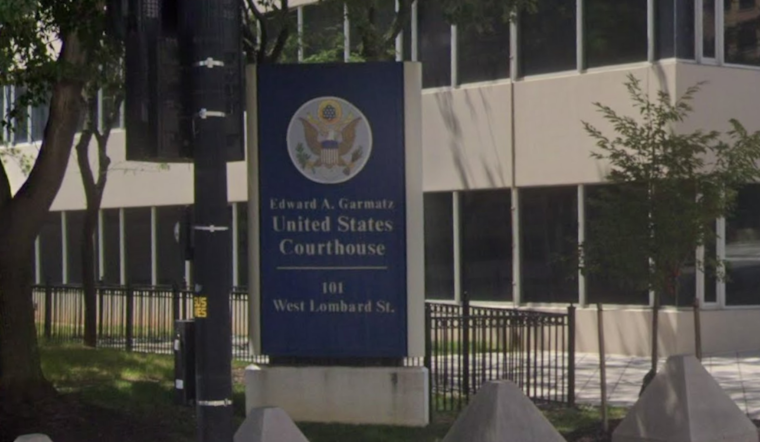
A Baltimore federal courtroom turned into the latest front line Tuesday as families urged a judge to block the U.S. Department of Justice from scooping up private medical files tied to gender-affirming care for minors. The parents say the subpoenas demand names, addresses, and treatment notes that could expose their kids and scare families away from lawful care, pulling a local dispute into a national fight over medical privacy and federal power.
What the families asked the court
In a federal filing in Maryland, a group of families moved to proceed under pseudonyms and asked the court to certify a class that would bar the DOJ from enforcing requests for patient-identifying records. The motion, brought by the National Center for LGBTQ Rights, GLAD, and Baltimore firm Brown, Goldstein & Levy, argues that the subpoenas amount to an unconstitutional grab for highly sensitive information. The families’ lawyer statements and the filing are summarized in a press release by the National Center for LGBTQ Rights.
DOJ subpoenas and the national sweep
The Justice Department has issued more than 20 essentially identical subpoenas to hospitals around the country, demanding broad categories of records that include dates of birth, Social Security numbers, and clinical notes, according to reporting by The Associated Press. Court filings and the Maryland docket show the case was filed in U.S. District Court for the District of Maryland and identify hospitals tied to the subpoenas in earlier proceedings.
Families say the subpoenas are intimidation
Plaintiffs’ lawyers told the judge they see the subpoenas as a pressure tactic aimed at getting hospitals to back away from gender-affirming care and at intimidating families whose children have sought treatment. "This is a grave threat to family and medical privacy and cannot go unchallenged," National Center for LGBTQ Rights legal director Shannon Minter said in a filing and statement to the court. Eve Hill, lead counsel from Brown, Goldstein & Levy, warned that collecting lists of patients has a long, troubling history that should give courts pause.
DOJ says the records are part of an investigation
Government lawyers told the judge the records demands are part of a nationwide inquiry into whether puberty blockers or hormones were promoted or used off-label in ways that violate federal law, and they emphasized that privacy protections apply to the material they seek. At the hearing a DOJ attorney said anonymizing names could be a workable condition and argued the department is mindful of privacy, according to court reporting. The judge pushed back that any risk of outing or harassment is best evaluated from the families' perspective, and she said she would issue a prompt ruling.
Other courts have pushed back
Judges in multiple districts have already limited or quashed similar subpoenas, and last month, a federal judge in Rhode Island quashed an administrative subpoena and sharply criticized DOJ conduct in that case. That judge also referred Justice Department lawyers for possible discipline over how the investigation was handled, according to CBS News. Earlier this year, a Maryland judge likewise blocked a demand aimed at Children’s National Hospital, an order reflected in the court record for that dispute.
Parallel fights in other courts
The Maryland hearing lands as other judges move on to related disputes. A federal judge in California granted short-term relief to families seeking to block a Stanford subpoena, and courts in several districts are wrestling with whether a single judge can grant nationwide relief. Legal observers say outcomes in the California and Maryland proceedings could shape how other courts handle cases that ask whether the DOJ may force hospitals to turn over identifying patient data in bulk.
Why it matters locally
Attorneys for the families and medical advocates warn that turning private health records over to the federal government risks outing minors and could deter families from seeking routine or urgent care. Major medical organizations have repeatedly defended evidence-based gender-affirming care and warned against policies that chill access, and summaries of professional positions note broad support for safeguarding patient privacy and clinical judgment. The plaintiffs say nationwide relief is needed because one hospital-by-hospital fight at a time will not stop what they describe as a government sweep.
The judge in Baltimore said she would rule as soon as she can. Whatever the outcome, the case now sits inside a growing patchwork of rulings that will almost certainly be litigated further, and could wind up shaping how far the federal government can reach into pediatric medical records.





