

























































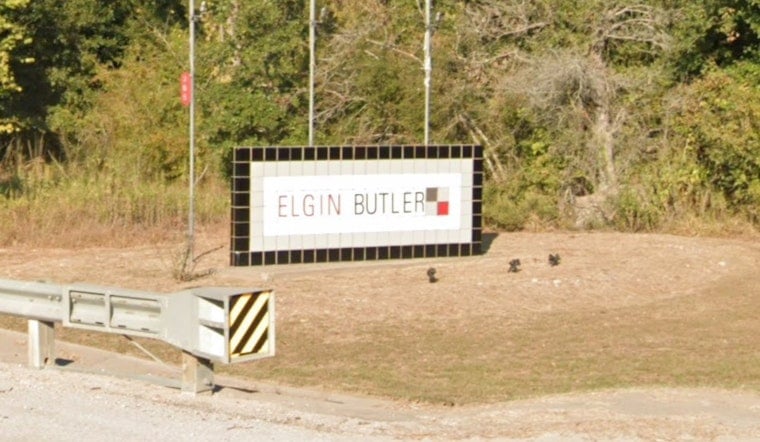
The owner of historic Elgin-Butler Brick Co., the Bastrop-area manufacturer whose bricks helped build the Texas Capitol and many University of Texas buildings, has hauled a longtime colleague into court, accusing him of quietly siphoning off land and control through shell companies and bargain-priced deals. The lawsuit, filed this month, asks for more than $29 million in damages, a halt to disputed transfers, and full access to company records, turning a 150-year-old local institution into the centerpiece of a very modern business fight.
Matthew Galvez, who bought Elgin-Butler in 2005, claims that Douglas Land formed a new entity, moved “core assets” out of the company without Galvez’s knowledge, then sold hundreds of acres to an entity called Elgin FM 696 Property Owner LLC in which Land had a stake, according to the Austin American-Statesman. Galvez’s complaint seeks full access to the company’s books, an injunction, and more than $29 million in damages, and it names alleged co-conspirators and shell companies that the filing says were used to move property out of the business. The case has been removed to U.S. federal court in Austin.
Jon Patton, speaking on Land’s behalf, told the Austin American-Statesman that Land “bailed out his longtime friend and salvaged what he could of a company Mr. Galvez had run into the ground.” In other words, Land’s camp says this was a rescue mission, not a raid, setting up a looming paper-heavy courtroom clash over who really saved what and at what price.
A 150-Year History at Risk
Elgin-Butler dates to 1873 and has supplied brick and building materials around Texas and beyond, with its product featured in many original University of Texas buildings and the Texas Capitol, according to the Texas State Historical Association. Preservation groups and local historians, including Preservation Austin, have long pointed to Elgin-Butler’s longevity and surviving facilities as key pieces of Austin and Bastrop County’s built heritage, which gives this corporate spat more than a little emotional weight for locals.
Alleged Motive: Land and the Data Center Rush
In the lawsuit, Galvez alleges the disputed sale price for the land was intentionally kept low and “positions owners to profit from selling to the data center market in central Texas,” a region that has seen a sharp rise in large campus deals and land grabs. Coverage and industry trackers have documented dozens of planned and operating sites between Austin and San Antonio and major master-planned campuses expanding south of Austin, trends that developers say are pushing up the price of power-ready acreage. That broader boom helps explain why dirt, not kilns or equipment, sits at the center of this fight, according to local reporting by the Austin Chronicle.
What the Suit Seeks and What Comes Next
Galvez’s complaint lists claims that include fraud, unjust enrichment, conspiracy, breach of fiduciary duty, and breach of contract. He is asking the court for an injunction, restoration of his access to company records, and more than $29 million in damages. With the case now in federal court, the next phase will bring formal pleadings and discovery that could pull back the curtain on the land transfers and any ties to outside buyers.
For a company that helped shape so much of the region’s brick-and-mortar identity, the outcome will be watched closely by preservationists, local officials, and land investors. As the federal docket grinds forward, the paper trail will tell the story of whether these moves were standard business decisions or a coordinated effort to cash out on coveted acreage.





