

























































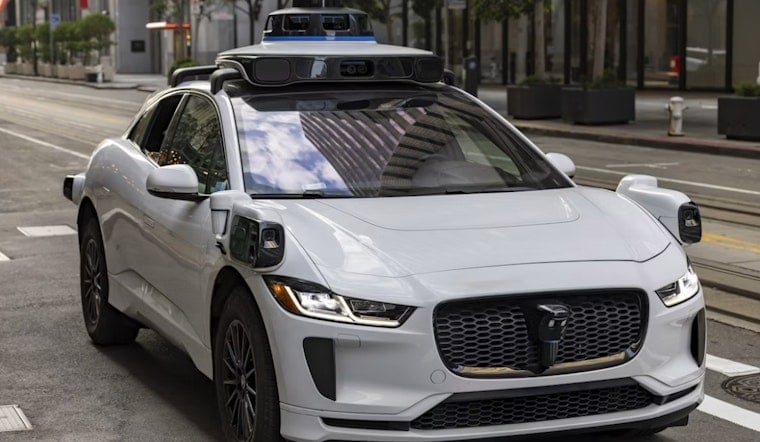
Silicon Valley’s grip on self-driving cars is starting to look less like a stranglehold and more like a contested merge lane. Over the last year, Chinese robotaxi operators and domestic EV makers have been scaling fleets, launching pilots abroad and rolling out new sensor and mapping tech, moves that industry watchers say have sharply narrowed the gap with U.S. developers.
Analysts warn that conditions in China - a massive homegrown ride market, faster regulatory sign-offs in some cities and heavy public investment - are pushing Chinese firms forward at a pace that could leave U.S. companies scrambling, experts told The Detroit News. The outlet notes that apples-to-apples technical comparisons are tough because very few Chinese-made autonomous vehicles operate in the U.S., and cross-border data sharing is limited. That mix of domestic scale and data access is exactly what makes this race so high stakes.
Tesla quietly added China to the list of countries where its supervised Full Self-Driving system is available, a symbolic milestone after years of delays and local reviews, according to Engadget. The rollout is the supervised, driver-required version of FSD, not a free-roaming robotaxi service, and company materials still show the feature as one of ten markets where it is being marketed. For U.S. drivers and regulators, it is a reminder that the autonomy contest now runs on two tracks at once: hardware and regulatory permission, both essential to winning at scale.
Chinese rivals are moving aggressively on deployment. Pony.ai has said publicly that it plans to more than triple its robotaxi fleet to several thousand vehicles, while Baidu’s Apollo Go has lined up with Uber and Lyft for overseas trials and Waymo is prepping international moves that will put U.S. and Chinese systems in the same arenas, according to AP News. The result is that China’s progress can increasingly be counted in paid rides and real-world miles, not just flashy demos.
Why China can scale faster
China’s combination of dense urban ride demand, large public-private partnerships and tightly defined testing zones has let companies pile up driverless miles at a rapid clip, even as regulators occasionally tap the brakes. Beijing briefly paused issuing new autonomous-vehicle permits after a high-profile robotaxi outage, a move that underscores both the scale of the push and the risks it entails, according to Fortune. Despite the hiccups, firms in China benefit from denser live testing and tight links with suppliers of lidar, chips and 5G, which shortens the path from lab prototype to public service.
What it means for Bay Area companies
In the Bay Area, the global contest is not theoretical at all. Waymo continues to expand its local services, and visiting executives from Chinese firms have been spotted benchmarking their own systems against Silicon Valley runs, according to prior local reporting. The takeaway for U.S. players: they will need clearer federal standards, faster testing programs and sustained investment if they want to hang on to a lead that turns out to be far less permanent than many assumed.
Investors and policymakers will be watching where fleets and regulators move next, whether that means more China-based robotaxis on European streets, more supervised FSD rollouts or a U.S. policy push to standardize approvals. Over the next few quarters, the balance is likely to be shaped as much by permits and partnerships as by any single breakthrough in code.





