

























































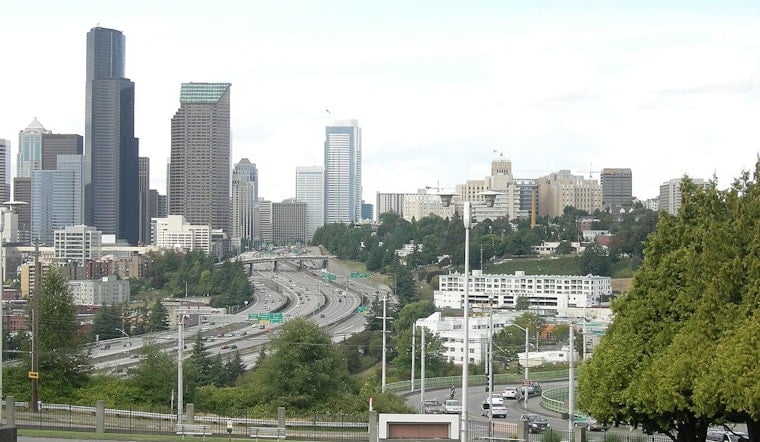
Beacon Hill, once known as the relatively affordable ridge just south of downtown Seattle, is rapidly losing that reputation as buyers chase short commutes, big views and yards that are still within city limits. Modest bungalows and wartime-era houses that used to linger on the market are now moving quicker and for higher prices, with some drawing competing offers. For longtime residents, the steady stream of renovations and infill projects has turned into a block-by-block transformation.
According to The Seattle Times, Northwest Multiple Listing Service data show the median sale price for single-family homes in Beacon Hill at about $800,000 in May, with 356 single-family sales closed through that month. The paper notes that the typical house in many parts of the neighborhood checks in at three bedrooms and roughly 1,500 square feet on lots of about 5,400 square feet. Broker Paul Lau told the Times that “you’re not seeing a bunch of buyers jumping in and driving up the cost,” a line brokers use to explain why price pressure does not hit every corner of the hill the same way.
Market trackers paint slightly different price points, but they tell a similar story. Redfin pegged the neighborhood’s median in the high $600,000s for April, while Zillow placed its automated valuations closer to the mid-$700,000s. Those gaps come down to methodology, with closed deals on one side and blended automated models on the other, but both show Beacon Hill sitting higher than it did just a few years back.
Transit, Parks and Older Homes Draw New Interest
Convenient transit and sizable green space are doing a lot of the heavy lifting. Beacon Hill Station, on Sound Transit’s 1 Line, trims commute times to downtown, while Jefferson Park offers golf, trails and sweeping skyline views. Information from Sound Transit and Seattle Parks helps explain why buyers keep circling the hill: it is one of the few places where you can hop on light rail, walk to a major park and still have a yard.
The neighborhood’s building patterns also set the stage for today’s activity. Housing that went up during Boeing and shipyard booms left a legacy of smaller, renovation-ready homes, according to the City of Seattle historic resources survey. That older stock is now catnip for buyers and investors who are willing to update older floor plans in exchange for location.
Neighbors Weigh Rising Prices Against Longtime Roots
For many residents, Beacon Hill still feels like Beacon Hill, just with more construction noise and higher listing prices. Some neighbors told The Seattle Times they “feel perfectly safe,” even as they note the influx of new buyers. Others are more wary, worrying that another wave of demand and redevelopment could squeeze out the working-class and immigrant families who have anchored the area for decades. The Times also pointed to visible homeless encampments near the José P. Rizal Bridge on the neighborhood’s north edge, a stark reminder that escalating home prices coexist with unresolved community challenges.
For would-be buyers, Beacon Hill’s blend of transit access, parkland and smaller lots offers a relatively attainable foothold in the city. For those already settled on the ridge, the pace of sales raises harder questions about affordability and the future of neighborhood character. City planners, community groups and developers will be watching to see whether policy decisions and new construction can keep diversity intact even as demand pushes higher. In the short run, though, the market looks set to keep Beacon Hill firmly on the radar for Seattle buyers hunting a middle ground between price and place.





