

























































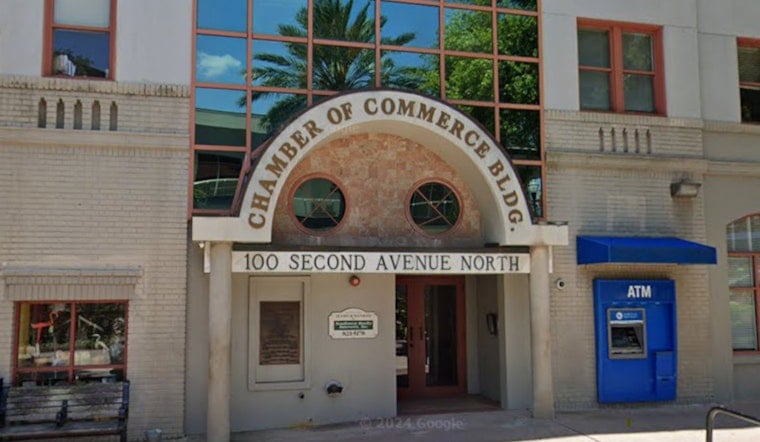
Neighborhood leaders, environmental advocates and business groups in St. Petersburg are quietly huddling over a big ask for local taxpayers: a potential property tax hike to speed up long-delayed infrastructure work. The Council of Neighborhood Associations, the Sierra Club and the St. Petersburg Area Chamber are in talks with city staff as draft ballot language is prepared. If those talks stay on track, residents could be asked as soon as this fall how they want to pay for water, sewer and stormwater upgrades.
Who's at the table
The Council of Neighborhood Associations (CONA), the Sierra Club and the Chamber of Commerce have been meeting with city staff and council members to see whether they can agree on how a referendum should be written, according to the Tampa Bay Times. City officials told the paper that the outreach is aimed at cutting down on fights over which projects get priority, how oversight would work and which neighborhoods see benefits first.
What the city is proposing
Mayor Ken Welch has signaled that he plans to ask voters to sign off on a new property tax that would support a general-obligation bond package worth roughly $600 million for stormwater and water system work, the St. Pete Catalyst reported. City leaders say that kind of borrowing could let them move infrastructure projects along far faster than the usual year-to-year budget process would allow.
Storms made the math urgent
That push sharpened after recent storms put the city’s pipes and pumps to the test. During Hurricane Milton in October 2024, the city shut down two sewer treatment plants for a time and issued boil-water advisories in parts of town, underscoring officials’ argument that the system needs to be more resilient, according to WUSF.
Projects on the line
City staff have walked council members through a menu of projects that could move up the line if voters agree to a referendum, including work at low-lying facilities such as the Northeast Water Reclamation Facility. Officials say those upgrades could be bundled into a package for the November ballot. As the Tampa Bay Times reported, examples on the list include new operations buildings and pump-station repairs that are already part of the city’s capital plan but not moving as quickly as some would like.
Neighborhood trade-offs
Neighborhood representatives are pressing for carved-out funding and stronger transparency rules so that southside and flood-prone communities are not sidelined while downtown projects get the spotlight, while business leaders are pushing for flexibility to support economic growth, the Catalyst reports. Council Chair Lissette Hanewicz has also warned colleagues that state proposals to cut property taxes could "wipe out" a large share of the city’s revenue and said, "There is no plan for how this lost revenue will be offset," according to the St. Pete Catalyst.
What comes next
City staff say they will keep working the phones and meeting rooms as ballot language is drafted and council members decide whether to put the measure in front of voters this fall. If the wording is finalized, residents can expect public hearings and more detailed project lists before the question officially lands on the ballot.




