

























































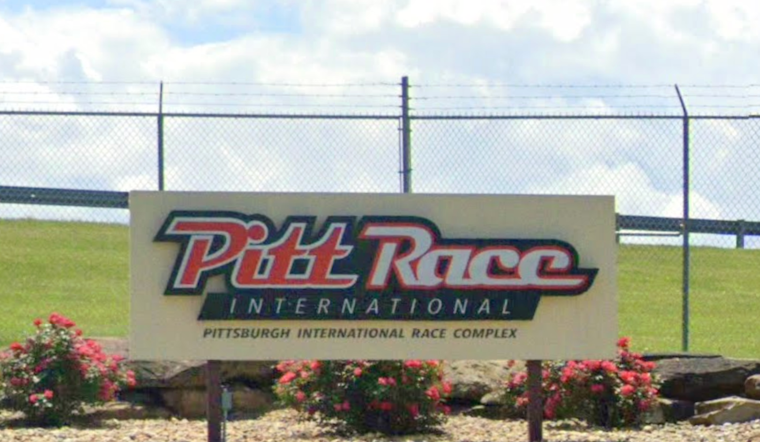
Nearly 100 people packed into the Big Beaver Volunteer Fire Department on Monday night, turning a simple town hall into a full-throated protest against a proposed data center campus at the former Pittsburgh International Race Complex. Organizers from local racing groups said residents still lack basic answers about what a sprawling, high-tech campus would mean for their wells, roads, and property values. The crowd came in part because an earlier presentation from the developer left neighbors with more questions than answers.
As reported by WPXI, the event was hosted by the Big Beaver Association and the Three Rivers Motorsport Preservation Society and drew close to 100 residents. Organizers, including Dan Dennehy-Rodriguez of the Three Rivers group, told attendees the town hall was designed to fill in gaps on environmental, legal, and legislative issues they believe were glossed over in earlier briefings.
What Switch Is Proposing
Switch has publicly announced plans for a roughly 382-acre data center campus on the former Pitt Race property just outside the Pittsburgh metro area. Switch says the site would use closed-loop water systems and other design features intended to limit the need for freshwater cooling. At a company-hosted meeting earlier this month, local reporting said Switch representatives described a buildout that would include roughly three 200,000-square-foot buildings and estimated the campus investment in the multihundred-million- to billion-dollar range, according to Beaver County Radio.
How The Borough Changed The Rules
Big Beaver Borough Council approved amendments to its zoning ordinance in a September 16, 2025 meeting that opened the relevant commercial district to data center uses. The council minutes show the vote to adopt Ordinance 245 followed a public hearing and that the borough updated its zoning map and land-development rules in anticipation of large commercial applications, according to Big Beaver Borough.
Neighbors' Concerns
Residents at the opposition town hall, as well as at earlier presentations, pressed for specifics on groundwater, municipal utilities, traffic, noise, and the loss of a regional amenity. Switch representatives have told the public that the campus would connect to nearby FirstEnergy infrastructure, deploy backup generators and rely on renewable energy and closed-loop water systems to limit routine withdrawals, according to the company’s materials. Neighbors countered that those assurances do not erase worries about long-term impacts on private wells, local roads and property values.
“They did not make it a point to really listen to everyone in the room,” said Dan Dennehy-Rodriguez of the Three Rivers Motorsport Preservation Society, explaining why organizers felt a separate town hall was necessary. That frustration reflects a broader push from residents for clearer, independently vetted data on water use, emissions and fiscal effects.
What Happens Next
Borough officials say no formal land-development application has been filed yet. Once one comes in, the standard review process would kick in: internal engineering review, public Planning Committee hearings, and a public Council vote. The borough’s meeting records outline that path and show the municipality has already been coordinating internally on how to handle any large-scale proposal, according to Big Beaver Borough.
Why This Matters Locally
The town’s April meeting notes record that Big Beaver received real estate transfer tax revenue after the Pitt Race property changed hands, a reminder that the site has already left local ownership. Regional coverage has tracked both the racetrack’s unexpected closure and the quick pivot to a potential data center use, which helps explain why emotions are running high in both the racing community and surrounding neighborhoods, according to Big Beaver Borough.
For now, the fight is set to play out through municipal filings and public hearings rather than in the courts or the state legislature. Residents who want a say will be watching council and planning committee agendas closely as the borough’s review process unfolds.





