

























































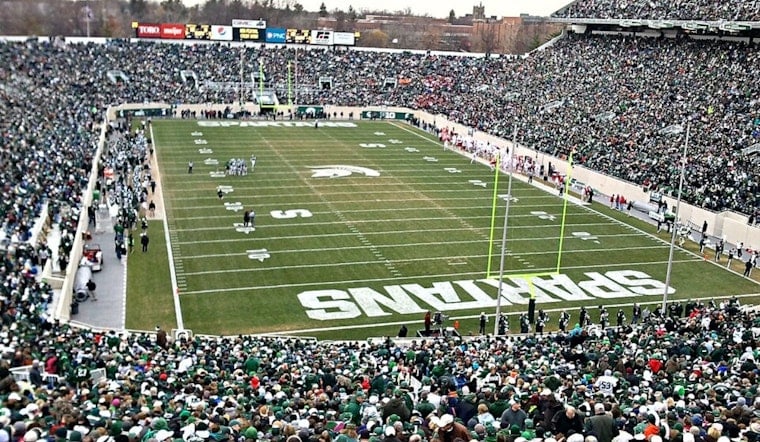
Michigan's athletic department is quietly weighing a big change to the gameday vibe in Ann Arbor: in-stadium advertising and commercial jersey patches that could help fund name, image and likeness support, scholarships and other priorities, Athletic Director Warde Manuel said. The idea, which would alter the long ad-free look of the Big House, comes as colleges nationwide hunt new revenue to cover rising NIL and roster costs.
In a letter to supporters yesterday, Manuel wrote that his department is "exploring highly visible but thoughtfully integrated revenue streams" including jersey patches, on-field and on-court logos, digital scoreboard advertising, and in-game sponsorships, and that the money would be reinvested into scholarships, NIL support, facility upgrades, and coach retention, as reported by The Detroit News. Manuel framed the moves as options rather than done deals and said Michigan would be deliberate and seek input from fans and donors.
The shift is possible because the NCAA's Division I Cabinet approved commercial logos and uniform patches for regular-season competition, effective Aug. 1, allowing programs to add up to two additional commercial logos on uniforms and one additional logo on equipment, according to the NCAA. The ruling also limits logo size and leaves placement rules to sport-specific committees.
Other programs have already moved. Michigan State announced a 10-year jersey patch partnership with MSU Federal Credit Union that will place the credit union's logo across a range of varsity teams, per Yahoo Sports. The Detroit News reports Michigan Sports Properties and Learfield are in talks with potential sponsors on a "Leaders and Best Champion Partner" program, and that Allstate-branded field-goal nets, which debuted last season, included small scoring-based donations tied to the scholarship fund.
Fans, Tradition And Trade-Offs
Michigan fans have long prized the minimal-ad feel of the Big House, and Manuel has publicly acknowledged the trade-off, saying any rollout would be deliberate and sensitive to tradition, a posture he has reinforced while building the program's NIL infrastructure, On3 reported. Early reaction on message boards and among alumni has been mixed: some flatly oppose jersey ads, while others argue that new revenue is essential to stay competitive in the current arms race.
How Patches And Ads Would Work
Industry coverage notes that the NCAA change leaves considerable operational work for athletic departments: logo size, placement, and apparel manufacture must sync with playing rules, and multimedia-rights partners typically broker deals that bundle stadium signage with digital and uniform inventory, ESPN reports. That means schools need time to negotiate partners, approve designs, and get jerseys and equipment produced ahead of the season.
What's Next
Manuel made clear there is no agreement in place and that any advertising would be "highly visible but thoughtfully integrated," leaving open how quickly Michigan would move ahead before the NCAA policy takes effect on Aug. 1. For now, the department says it is studying options to sustain NIL across all 29 varsity sports while trying to balance tradition and competitive needs.





