

























































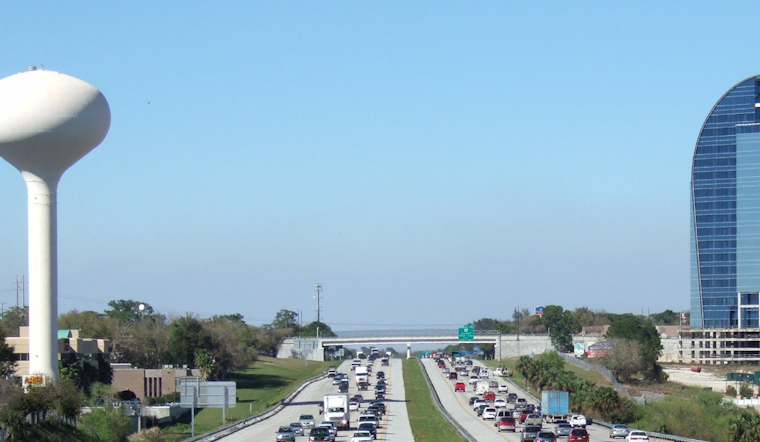
Federal and state officials have kicked off construction on a long-discussed expansion of truck parking along Interstate 4, where roughly 917 new spaces are on the way under an approximately $180 million federal grant. The first round of work centers on Seminole and Volusia counties, with three sites heading into construction this summer and several parcels expected to open by mid-2027. Two additional locations in Osceola and Orange counties are lined up for later phases in 2027. Officials say the new facilities are designed to cut down on risky roadside parking and give truckers safer places to rest along one of Florida’s busiest freight corridors.
Local reports say the rollout came with ground-breaking ceremonies and is tied to a broader federal effort to grow truck parking and improve safety. According to WFTV, federal and state leaders marked the start of five truck-parking projects that together will add 917 spaces along I-4, with construction on the first three locations slated to begin this summer. The station also noted that officials pointed to I-4’s outsized share of Florida’s consumer-goods traffic as a key reason the corridor rose to the top of the priority list.
Federal funding and project scope
The work is funded largely through an INFRA grant listed by the U.S. Department of Transportation, whose INFRA fact sheets log a $180,009,420 award for the “I-4 Truck Parking Facilities” project. U.S. Department of Transportation materials say the grant will support roughly 917 truck parking spaces across the corridor and call for amenities that include electric-vehicle hookups. The federal fact sheet frames the buildout as a way to cut fatigue-related crashes and reduce unauthorized roadside parking.
Where the spaces will go
County-level planning documents show the new parking spots are spread across multiple I-4 locations: two sites in Volusia County, a site in Seminole County, and a site in Osceola County that together total roughly 917 spaces. The River to Sea Transportation Planning Organization’s briefing materials break the count down to about 275 spaces at the Volusia eastbound site, roughly 253 at the Volusia westbound site, about 132 at the Seminole location and about 257 at the Osceola site. River to Sea TPO lists those figures as part of the corridor-wide plan.
Schedule and construction details
District project pages show design and contracting milestones falling into place. The Seminole County location, listed as FPID 446445-1, has construction funded for summer 2026, while Volusia County projects have letting windows this month that are expected to bring crews onto those sites shortly after. Florida Department of Transportation pages outline design concepts, estimated costs, and preliminary site plans that call for restrooms, lighting, landscaping, and wildlife-sensitive features where needed. FDOT estimates put the earliest completions for the initial sites around mid-2027, with the remaining locations following later in 2027.
Why this matters to drivers and the region
Chronic truck parking shortages have pushed drivers to sleep on shoulders, ramps, and other unsafe spots, a pattern planners say these new facilities are meant to end while improving safety for everyone on the road. In a press release, Rep. Maxwell Frost said the grant steps in to protect hard-working drivers who deserve safe roads and sufficient parking spaces for rest when needed, arguing the work benefits both truckers and the wider supply chain. Rep. Maxwell Frost's office previously supported the INFRA application that led to the award.
What drivers and neighbors can expect
Once built, each site is slated to include standard amenities such as restrooms, lighting, CCTV coverage, and space for oversize rigs, and federal and local documents say planners will add electric-vehicle hookups along with a truck-parking availability system so drivers can see where spaces are open in real time. According to the U.S. Department of Transportation, those features are part of a broader push to modernize freight corridors and cut down on unsafe roadside stops. Florida design materials also call for noise and lighting mitigations and wildlife fencing at locations near sensitive habitat.
The projects amount to the largest single federal investment in designated truck parking on I-4 to date and are intended to plug a long-standing gap in Central Florida’s freight infrastructure. For drivers, planners say the payoff should be safer and more predictable places to pull over and rest. For nearby communities and transportation officials, the hope is fewer rigs parked in undesignated spots while construction crews start rolling in this summer.



