

























































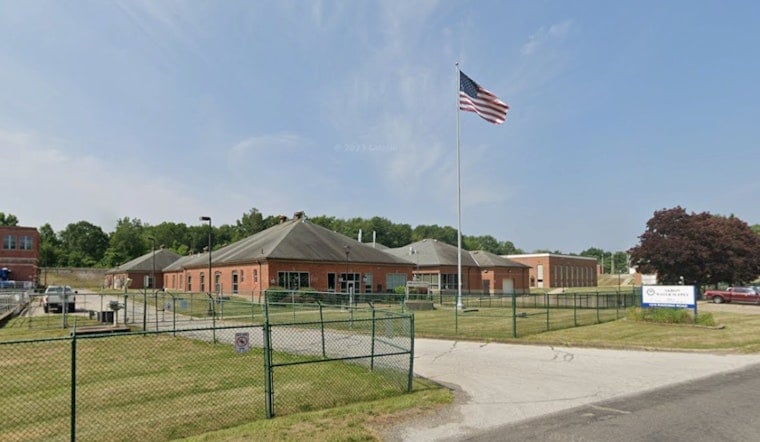
A midweek chemical mix-up at the Akron Water Plant on Ravenna Road sent three people to the hospital and had neighbors told to hunker down indoors as crews dealt with a chlorine gas scare near Kent.
Two plant employees and a truck driver were taken to a local hospital on Wednesday after workers at the Franklin Township facility reported a strong bleach-like odor and breathing problems.
Portage County's hazardous-materials team and local fire crews rushed to the plant, and officials quickly ordered anyone within a half-mile radius to shelter in place, stay inside, shut windows, and turn off ventilation systems. As reported by WKYC, Portage County Emergency Management advised anyone who smells bleach or has trouble breathing to seek medical care, emphasized that the public drinking water supply is not contaminated, and confirmed that the Akron Water Plant is shut down and not producing water.
According to a statement the City of Akron provided to WKYC, a delivery of the chemical alum was mistakenly pumped into two tanks containing sodium hypochlorite. That incorrect combination produced chlorine gas, which officials say caused the injuries and forced the temporary closure of the plant.
Chlorine gas: what it is and why it’s dangerous
Chlorine gas is a yellow-green, sharp-smelling irritant that can injure the eyes and respiratory system. Even concentrations that simply smell like bleach can cause significant lung irritation. According to the CDC, exposure symptoms can range from coughing and chest tightness to life-threatening pulmonary edema at high doses. People who notice symptoms are advised to leave the affected area and get medical attention.
Plant status and local response
City and county crews have secured the facility while hazmat teams and investigators work the scene. The Portage County Emergency Management Agency provides contact information and preparedness guidance, and local officials say routine testing will determine whether any additional public notices are needed.
What residents should do now
Anyone inside the shelter-in-place zone has been told to stay indoors, close doors and windows, shut off HVAC systems that bring in outside air, and track updates from city and county officials. People experiencing shortness of breath, chest pain, or persistent coughing should call 911 or the Poison Help line at 1-800-222-1222 for medical advice.
Investigators are now focused on how an alum delivery ended up in hypochlorite tanks and whether procedures or training need to change. City and county officials say they will release more information as the situation develops.



