

























































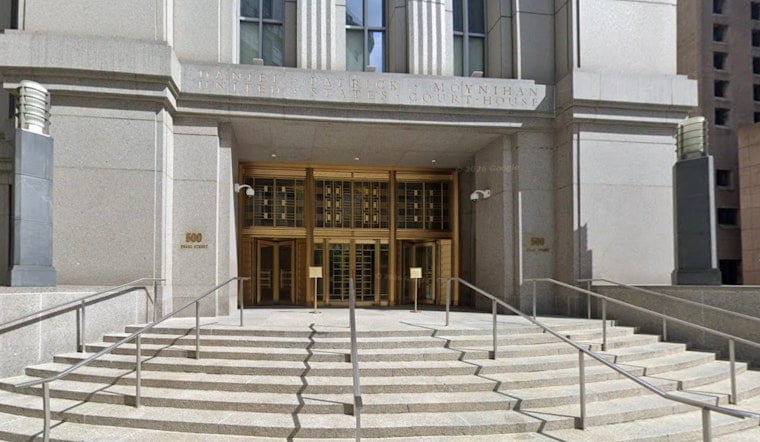
A New York composer is taking Wicked to federal court, claiming the blockbuster musical and two nonprofit musician directories shut him out of a paid Broadway apprenticeship because he is a white man. Filed June 2 in the Southern District of New York, the suit seeks unspecified damages and court orders that would bar race and sex based eligibility rules. The plaintiffs are composer Kevin Lynch and the American Alliance for Equal Rights.
What The Lawsuit Alleges
According to a complaint from American Alliance for Equal Rights, the Music Director Experience was a paid, three week intensive announced in June 2023 that required applicants to be listed in either the Maestra or MUSE directories. The filing says Maestra admits only women and nonbinary musicians, and that MUSE is reserved for musicians of color. The complaint alleges Lynch registered for both directories and submitted a timely application on June 28, 2023, but that Maestra later rejected his profile and MUSE never added him, which the suit argues blocked his ability to apply. The filing asserts violations of 42 U.S.C. § 1981 along with New York State and City human rights laws and asks the court to step in.
How The Music Director Experience Worked
The Music Director Experience was promoted as a behind the scenes shadowing opportunity that included rehearsals, score study and one on one instruction with Wicked’s music director, plus a modest weekly stipend. Trade coverage at the time emphasized that the slot was open exclusively to Maestra and MUSE directory members. BroadwayWorld and other outlets ran the June 2023 notices about the program.
Plaintiff’s Account
The complaint recounts Lynch’s attempts to join both directories, saying Maestra emailed on July 5 that his “profile application ha[d] been denied” because it did not belong in the Maestra community. The complaint from American Alliance for Equal Rights also points to the winning applicant, described in the filing as a female or nonbinary person of color, who later said, “Since the MD Experience, I’ve gotten six jobs,” which plaintiffs cite as evidence that the apprenticeship opened real career doors. Lynch’s lawyers argue that the directory gating excluded him and other similarly situated musicians from a pipeline of paid Broadway opportunities.
Legal Stakes And Precedent
Plaintiffs argue the directories’ membership rules and Wicked’s reliance on them for hiring decisions run afoul of federal and state civil rights protections by conditioning access on immutable characteristics. In a press release from American Alliance for Equal Rights, Edward Blum framed the case alongside recent Supreme Court precedent limiting race conscious programs, saying in part, “The only quality that Kevin Lynch lacked was being the right race and sex.” The filing also follows Lynch’s December suit against Playwrights Horizons over BIPOC ticket discounts, a separate challenge that has already stirred debate about targeted arts programs and the law, as reported by Playbill.
Nonprofits’ Mission And Industry Context
Maestra and MUSE say their directories and programs were created to tackle long standing underrepresentation in theater music departments by connecting women, nonbinary musicians and musicians of color with work. Maestra describes its directory as a hiring resource for women and gender expansive musicians, while MUSE frames its work as building pipelines for BIPOC musicians. The complaint effectively pits those equity goals against statutory protections that plaintiffs say do not allow exclusion from hiring opportunities on the basis of race or sex.
What To Watch Next
The case has been docketed in the Southern District of New York, and the standard civil schedule will dictate when the defendants must respond and when discovery might begin. If the court reaches the merits, the lawsuit could force arts organizations and industry directories to rethink how narrowly they design pipeline programs and who is allowed to compete for them. The filing has already begun drawing wider attention, including coverage in the New York Post.




