

























































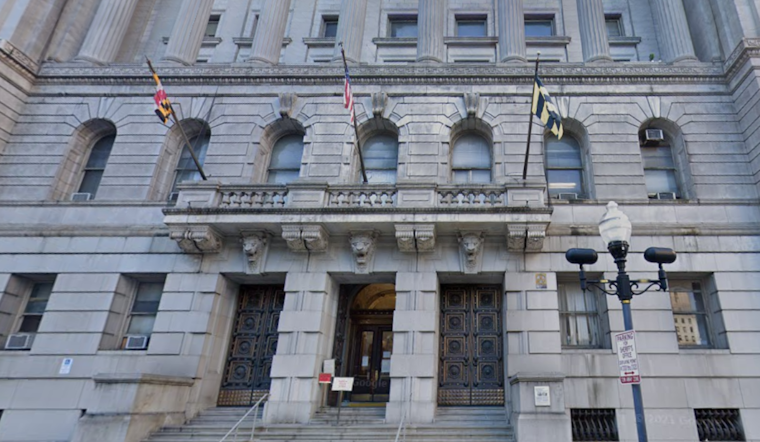
Opening arguments got underway Thursday in Baltimore City Circuit Court in the case stemming from the May 11, 2025 killing of 37-year-old Albert Manning in the Brooklyn neighborhood. Jurors heard competing narratives in the trial of 49-year-old Ronald Hall, who is accused of fatally shooting Manning on the 3500 block of 2nd Street. The case was scheduled to resume Friday before Circuit Court Judge Althea M. Handy.
Opening Statements and Evidence
Prosecutors told jurors they plan to call detectives and forensic experts to place Hall in the neighborhood on the morning Manning was killed, and said Manning suffered three gunshot wounds. Six witnesses took the stand Thursday, including Baltimore City police detectives, a sergeant, a crime-lab technician and the medical examiner, who walked the jury through Manning’s injuries and the evidence collected at the scene. According to Baltimore Witness, investigators say a bystander called 911 around 6:45 a.m. after finding Manning on the ground.
Defense Argues Investigators Jumped to Conclusions
Defense attorney Natalie A. Finegar told the jury that detectives assumed Hall was the murderer, urging them to look closely at what she described as gaps in the investigation instead of locking onto a single storyline of guilt. Finegar also highlighted that Hall was polite during a search and seizure when officers took his belongings, a detail the defense used to question whether there was probable cause for how the investigation unfolded. The defense’s opening remarks and Thursday’s testimony were documented by Baltimore Witness.
Arrest and Charges
Hall was arrested on May 28, 2025 and booked in connection with Manning’s killing, according to local reporting. He faces counts that include first-degree murder, firearm use in a felony violent crime and firearm-possession charges tied to a prior felony conviction, per initial police booking information and media coverage. The arrest and booking details were outlined in coverage republished by Under Coverist.
What the Law Says
Under Maryland law, a conviction for first-degree murder carries some of the harshest penalties on the books, including life imprisonment or life without the possibility of parole. Separate firearm-related counts can add years to a prison term and are often filed alongside homicide charges to increase potential sentencing exposure. For a summary of statutes and case law on first-degree murder penalties, see FindLaw.
Next Steps
The court is set to reconvene to hear additional testimony and evidence as the trial moves forward. Judge Althea M. Handy, who has served on the Baltimore City Circuit Court bench since 2002, is listed in the Maryland State Archives’ judicial biographies. Police have not publicly released any motive in the killing, according to local reporting republished in the press.




