

























































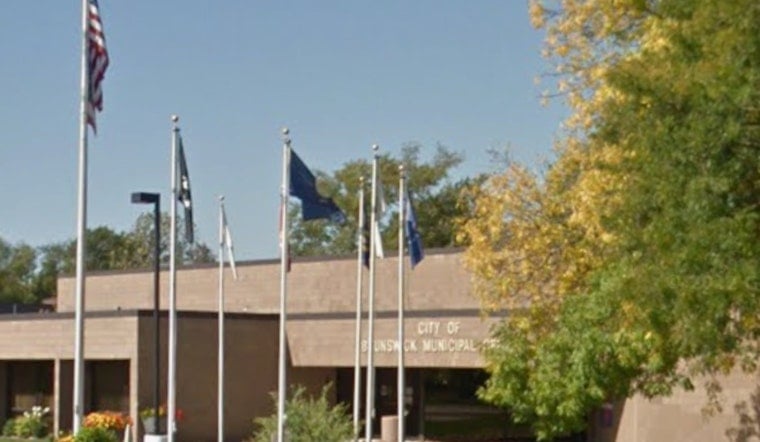
Brunswick is gearing up for a fight over surveillance technology, as residents move ahead with a ballot initiative that would shut off the city’s Flock Safety license-plate cameras. City council formally accepted receipt of the petition at its June 8 meeting, a procedural step that clears organizers to start gathering signatures for a potential local vote.
Backers of the measure say their proposed ordinance would bar certain biometric tools and AI-driven vehicle tracking that, in their view, build long-term records of where people go and who they associate with. To get their question on the ballot, they will now have to convince enough voters on paper before they can convince them at the polls.
How the petition advances
According to Cleveland.com, the city council accepted receipt of the citizen-led initiative at its June 8 regular meeting. The petition language would prohibit specific forms of biometric surveillance, AI-assisted tracking, and vehicle-tracking analytics that create long-term movement records.
Cleveland.com reports that organizers must gather signatures equal to at least 10 percent of the registered electors in the city who voted in the 2022 Ohio gubernatorial election. Once the signatures are collected, the petition must be certified by the Medina County Board of Elections. Council members stressed that they are not the authors or sponsors of the effort, framing their role as limited to handling the paperwork.
Police say the system is limited, with safeguards
Brunswick Police Chief Robert Safran told a May 18 safety committee that the Flock devices in use scan license plates lane by lane and, in his words, are “not part of a citizen surveillance program.” He said the department requires internal auditing for Flock queries, that each request must include a police report number and a stated reason, and that data retention is limited by department policy. Those details were reported by Cleveland.com.
Organizers point to audit logs and outside access
Petition leaders, including Jennifer Arida, have pointed to third-party trackers and audit logs that they say show the city’s Flock data has been shared with outside agencies and accounts. As documented on HaveIBeenFlocked, activists can review reported audit activity and access lists for Flock deployments, which material organizers argue supports their push for tighter limits on data sharing and searches.
Part of a wider Ohio fight over surveillance
The skirmish in Brunswick is part of a broader regional pushback against Flock networks in Northeast Ohio. Critics have raised alarms over outside searches and immigration-related queries, leading nearby communities to revisit their own rules.
Axios reported in May that cities from Shaker Heights to Cleveland Heights have tightened policies, stepped up audits, or kicked off public campaigns over how automatic license plate readers and AI tools are used. Brunswick’s ballot drive now drops its residents squarely into that debate.
What comes next
If petitioners collect the required signatures, they must submit the paperwork to the Medina County Board of Elections, which reviews and certifies local petitions under procedures overseen by the Ohio Secretary of State. The county boards handle filings and carry out initial checks on whether petitions meet formal sufficiency rules, a role described by the Ohio Secretary of State.
Ohio courts have in prior cases applied a 10 percent threshold for municipal initiatives, reflecting how state law is interpreted when disputes over local petitions land in court. That petition case law is available through FindLaw.





