

























































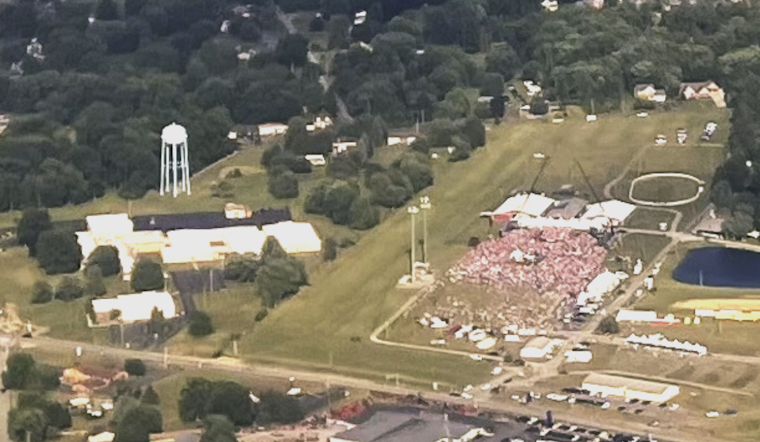
Two Butler County men who were critically wounded when a gunman opened fire at former President Donald Trump's July 13, 2024, campaign rally have taken their fight to federal court, accusing the U.S. Secret Service of botching security and leaving them exposed to a rooftop shooter. James Copenhaver and David Dutch filed separate lawsuits on Monday, June 1, 2026, in federal court in Pittsburgh, alleging operational failures that they say turned the AGR building into a sniper perch. The cases mark the latest legal fallout from the attack that killed a rallygoer and grazed Trump's ear.
What the lawsuits allege
According to TribLIVE, both complaints argue that Secret Service planning fell short by failing to secure the AGR building roof or neutralize its obvious line-of-sight threat to the stage. The filings outline severe injuries: Copenhaver is alleged to have suffered a transection of his colon, tears to his left triceps, and kidney damage, while Dutch was shot in the right upper abdomen and has already undergone multiple surgeries, with more expected. Each lawsuit seeks damages in excess of $150,000 and leans on internal agency documents and congressional findings to support the claims.
Investigations and agency findings
A bipartisan congressional task force and internal Secret Service reviews sharply criticized the agency's performance, citing failures in planning, communication, and coordination, according to the task force's final report. The House report details muddled roles among advance teams, a separate security room that clogged the flow of information, and missed chances to alert countersnipers to the suspect's movements. Reporting by The Washington Post and local outlets also noted that the agency later suspended several employees and announced reforms, after a bruising round of public scrutiny. Hoodline previously covered the original July 2024 attack as it unfolded.
How the attack unfolded
Investigators say 20-year-old Thomas Matthew Crooks climbed onto the AGR roof at around 6:05 p.m. and opened fire at about 6:11 p.m., according to The Associated Press. He fired eight shots, killing bystander Corey Comperatore and critically wounding Copenhaver and Dutch. A Secret Service countersniper returned fire and killed Crooks shortly after the initial volley, but investigators say local officers had already flagged his suspicious behavior and that those warnings never reached key members of the protective detail in time. Video, radio traffic, and agency logs cited in public reports now form the backbone of the timeline laid out in the lawsuits.
Victims' reaction and legal push
Survivors and families have pressed for answers since the shooting, and attorneys for the plaintiffs say the new lawsuits are designed to force clarity on what the Secret Service knew and when, CBS Pittsburgh reported. The complaints also highlight alleged equipment and communication failures, including a drone detection system that was not operational and fractured interagency channels that reportedly hampered efforts to broadcast an alert about Crooks. As TribLIVE notes, the filings heavily cite congressional investigations and the Secret Service's own admissions in laying out those claims.
Legal questions and next steps
The lawsuit names the United States as the defendant and asks a federal judge to decide liability and damages, a setup that typically triggers the Federal Tort Claims Act and its procedures. A Congressional Research Service overview explains that FTCA cases generally require an administrative claim to be filed first, can face statutory limits and exceptions, and often turn on issues like sovereign immunity or the discretionary-function defense. How the government responds administratively, and whether the sides opt for settlement talks or full-blown litigation, will determine how quickly the cases move through the Western District of Pennsylvania's docket.



.jpg)