

























































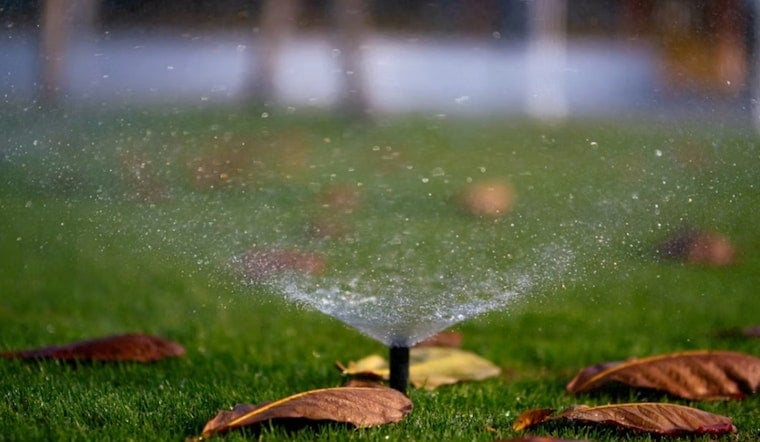
Sprinklers are officially on notice in Camden. The city has ordered residents to sharply cut outdoor watering and other nonessential uses as drought tightens its grip on the Catawba‑Wateree basin. Customers are being told to eliminate discretionary water use and to limit lawn irrigation to no more than two days per week, only during overnight hours. Officials caution that repeated violations could lead to fines and, in extreme cases, shutoffs of water service.
The move follows a basin‑wide Stage 2 declaration under the Low Inflow Protocol, a drought response framework that Duke Energy activated on May 1 to safeguard shared reservoirs. According to the Catawba‑Wateree Water Management Group, Stage 2 comes with mandatory conservation rules for public water suppliers and a regional target of cutting overall water use by roughly 5 to 10 percent. The protocol also allows adjustments to dam releases and minimum lake levels so stored water lasts longer through dry spells.
Camden’s specific restrictions include a ban on discretionary vehicle washing, tighter limits on decorative fountains and similar water features, and restrictions on topping off swimming pools, in addition to the twice‑weekly irrigation window. The city says it will start with written or verbal warnings for violations, but repeat offenses can bring monetary penalties tacked onto water bills. In a statement to WIS News 10, Jack Thornsberry, director of utilities and public works, said, “By requiring mandatory conservation efforts, we can help protect our collective water resources.”
Duke Energy Moves And What It Means For Boaters
Per the Catawba‑Wateree Water Management Group, Duke Energy, which operates the hydroelectric project that controls the basin’s lakes, has begun dialing back downstream releases and limiting certain recreational flow releases to conserve storage. Those operational changes are meant to buy time for cities and utilities while customers bring demand down on their end.
Lake users will likely feel some of the ripple effects. Local lake managers may increase monitoring at public boat ramps and could temporarily close or restrict access if water levels continue to fall. In other words, if folks do not ease up on the hoses now, they might be staring at more exposed shoreline and fewer launch options later in the summer.
How Enforcement Works And How To Comply
The city says enforcement will start with education but can quickly get more expensive for those who ignore the rules. According to WIS News 10, Camden will initially issue warnings for violations, then may add surcharge penalties to water bills for repeated noncompliance. In serious or ongoing cases, water service can be disconnected until fees are paid and the customer agrees to follow the restrictions.
Residents with questions can call the City of Camden Public Works Department at (803) 432-2421. To stay on the right side of the rules and avoid penalties, officials recommend watering only during overnight windows, fixing leaks quickly, and using low‑volume drip systems or handheld hoses for landscaping instead of high‑flow sprinklers.
City leaders say they will keep coordinating with CW‑DMAG partners and tracking lake and stream flows as the dry conditions continue. Cola Daily published the city’s formal notice on June 25, including the full list of restricted uses and additional contact information. Officials stress that short‑term cooperation now could help Camden avoid tougher Stage 3 limits later this summer if inflows do not rebound.





