

























































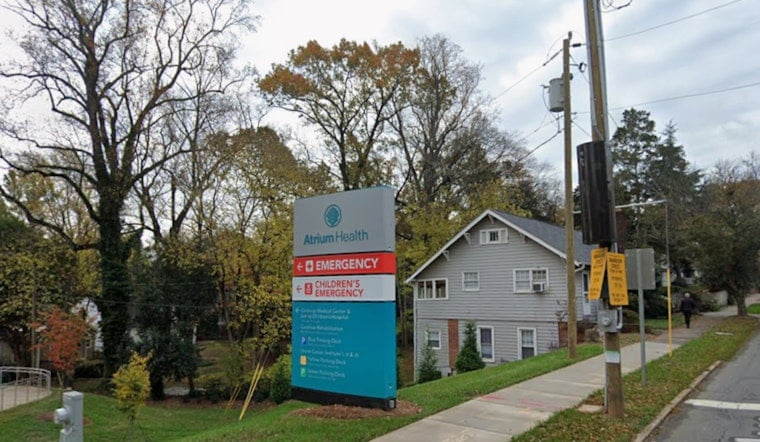
Finding a new exam room in Charlotte is starting to feel like winning the lottery. The region's supply of medical office space has tightened to its lowest point on record, leaving clinics, specialists and outpatient groups jostling for a shrinking pool of move-in-ready buildings. The crunch is especially visible in the suburbs, where major health systems are rolling out new campuses at the same time a wave of new residents pours into the metro. The upshot: fewer choices for independent physicians, faster rent growth for turnkey suites and deal terms that increasingly tilt toward hospital-backed projects.
Availability hits a record low
Market data from CoStar shows medical office availability in the Charlotte area sitting at a record low, with demand running ahead of a modest construction pipeline. The firm points to three main culprits behind the squeeze on supply: rapid population growth, aggressive hospital system expansion and construction costs that remain stubbornly high.
Population pressure is real
U.S. Census Bureau estimates show Charlotte added roughly 20,731 residents between July 1, 2024 and July 1, 2025, a numeric gain that topped every other U.S. city over that stretch. Reporting by the Charlotte Observer notes that much of this influx has landed in suburbs like Union County and the Lake Norman corridor. That suburban surge is boosting demand for nearby outpatient clinics and specialty medical suites so patients do not have to drive into the urban core for routine care.
Hospitals are building where patients live
Major health systems are racing to meet that demand by adding new beds and outpatient campuses, and those projects are quickly soaking up surrounding medical office space. Atrium Health has been rolling out hospital and medical office building projects across the region. Novant Health has opened new campuses and expanded services of its own, further cutting into the inventory of standalone clinic space that smaller practices might otherwise target.
Costs and the development pipeline
Building new medical office space is not cheap. Engineering News-Record's Q1 2026 cost review shows key building and materials indexes holding at elevated levels, and industry reports highlight sharp cost escalation in critical mechanical, electrical and plumbing trades. With that kind of price pressure, many developers are steering toward preleased, hospital-backed medical office projects instead of speculative construction, which trims the number of turnkey suites that would typically be available to smaller tenants.
What it means for doctors and patients
Local brokerage commentary and market reports indicate that smaller practices now face longer site searches, heftier tenant improvement budgets and weaker negotiating power when they find a suitable space, especially when they are bidding against health system tenants. At the same time, investors are circling well-located medical buildings as relatively defensive assets. That investor interest is pushing pricing higher for move-in-ready medical office properties and, according to research from Colliers, is prompting some clinicians to look at satellite locations or hospital-affiliated clinic models.
In the near term, analysts and local brokers say any relief will hinge on the delivery of a small set of already preleased projects and on whether construction costs retreat enough to make speculative medical office development pencil out again. Until that happens, independent providers are likely to keep weighing a tough choice between pricier buildouts and closer alignment with major health systems.





