

























































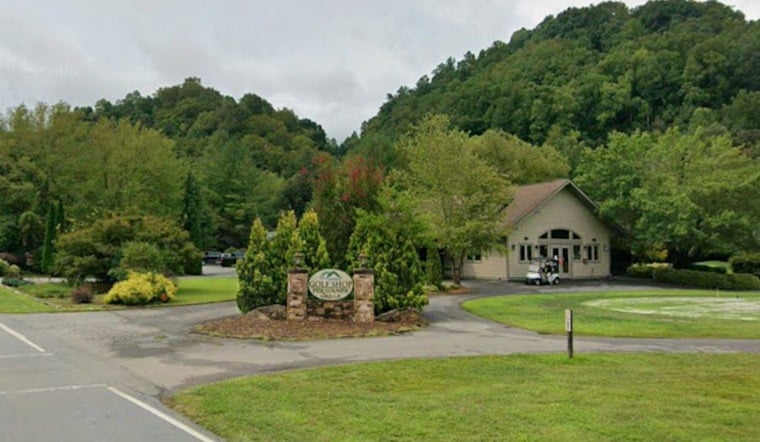
A fresh twist in a long‑running Smoky Mountain Country Club fight has homeowner attorneys and advocates on edge over just how far homeowners associations can go when they slap liens on properties and move to foreclose. The fear: associations could bill owners for fees that benefit private third parties, then use North Carolina’s relatively fast nonjudicial power‑of‑sale process to take homes when those charges go unpaid. The dispute now sits at the doorstep of the North Carolina Supreme Court.
As reported by the Charlotte Observer, western North Carolina attorney Shira Hedgepeth has asked the state’s high court to review a recent Court of Appeals ruling in the Smoky Mountain litigation. She told the paper the decision "could allow associations to enforce obligations benefiting third parties and foreclose if homeowners do not pay those fees." Her petition follows years of fighting over so‑called "Clubhouse Dues" that the association collected from owners, then passed along to a separate private clubhouse owner.
The Smoky Mountain Ruling, In A Nutshell
In Myers v. Smoky Mountain Country Club Property Owners' Association, the North Carolina Court of Appeals flipped a trial court ruling that had declared the Clubhouse Dues unenforceable. The appellate panel cleared the way for the association to restart foreclosure proceedings. According to the court’s opinion, available at Justia, the declaration that governs the community and prior appellate precedent give the association authority to assess and collect the dues, then remit the money to the private clubhouse entity.
How This Fits A Bigger North Carolina Pattern
The Smoky Mountain clash is not happening in a vacuum. It is unfolding against a statewide backdrop of aggressive HOA collection tactics. A joint investigation by the News & Observer found that since 2018, HOAs have filed more than 5,500 foreclosure cases. In over 600 of those, homeowners, often behind by relatively modest amounts, lost houses or time‑share interests. The numbers show just how quickly small debts can snowball into lost equity.
What Happens Next In The Case
Hedgepeth’s petition and related filings are listed on the state’s appellate docket, where the Smoky Mountain litigation has already generated a stack of entries and procedural skirmishes. Recent legislative coverage and local reporting show that lawmakers and advocates have responded with proposals this session aimed at tightening oversight of HOAs and narrowing some uses of foreclosure. Those policy debates are now humming in the background as the courts weigh the legal questions in the Smoky Mountain case.
The Law, Without The Legalese
Under G.S. 47F‑3‑116 of the North Carolina Planned Community Act, an association can perfect a lien once an assessment is 30 days overdue. If the assessment remains unpaid for 90 days, the association can pursue a nonjudicial power‑of‑sale foreclosure. By contrast, a lien that secures only fines, and fees tied solely to those fines, has to be enforced through a judicial foreclosure in court.
The statute also spells out notice rules and caps certain uncontested attorney fees. Those details are not just technicalities. They sit at the heart of how clerks and judges will review any future foreclosure moves in the Smoky Mountain dispute.
Why Owners And Advocates Are Worried
Housing advocates and legal‑aid groups say the combination of broad HOA lien authority and a relatively quick nonjudicial process can strip families of hard‑earned equity before they fully grasp their rights or find help. The North Carolina Justice Center has urged close scrutiny of HOA collection practices and recommends that homeowners facing collection letters or lien threats dig into their governing documents and reach out promptly to legal‑aid organizations or consumer‑housing advocates for guidance.





