

























































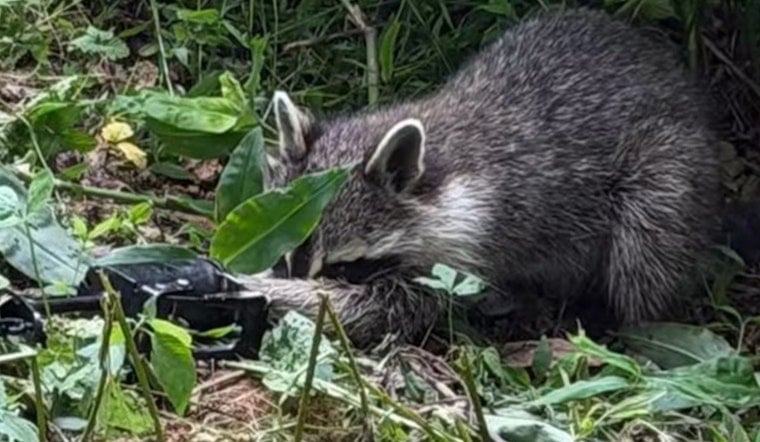
Children out enjoying a Mecklenburg County park on Thursday stumbled onto a grim scene: a raccoon with both front legs clamped in a leg, or foothold, trap. They ran to get their parents, who contacted animal control. The animal was rushed to a local wildlife rehabilitation group, where staff say he is fighting to recover after suffering heat stroke and severe stress. The discovery also prompted officers to search nearby property for any other traps in the area.
Rescue and condition
North Carolina Wildlife Rehab reported that the raccoon arrived at their facility with both front legs locked in the device and a body temperature of 105.4 degrees Fahrenheit, and staff immediately began treating him for heat stroke, according to WBTV. "This is absurd, infuriating, and heartbreaking," a rehab spokesperson wrote in the post the outlet published. Rehab workers said the animal’s legs were not broken, but he remained under close observation as his condition stabilized.
Multiple traps found in park area
Investigators told WBTV they later found several more foothold traps attached to a fence on adjoining property. The outlet also reported that this was the second animal recently discovered caught in a leg trap at Mecklenburg County parks.
Officials and rehab workers are urging people not to try to free trapped wildlife on their own. They warn that cutting or prying open traps can worsen an animal’s injuries and put both bystanders and pets at risk.
How state rules treat foothold traps
The North Carolina Wildlife Resources Commission notes that regulated trapping is one of the tools used for furbearer management and that foothold traps may be lawful if they meet state requirements for trap size, jaw type and identification, according to NC Wildlife. The agency says its licensing system and detailed rules are intended to reduce harm to non-target animals while still allowing certain control activities.
Tagging and daily checks are required
Under state administrative rules, traps must be checked at least once every 24 hours. Steel-jaw, leghold and similar devices must carry a weather-resistant tag showing the trapper's name and address or Wildlife Resources Commission identification number, along with a phone number for reporting violations, as outlined in 15A NCAC 10B .0306. Remote trap-checking systems are allowed only if they meet strict reporting standards, and a physical visit still has to occur within 24 hours of any closure alert.
What residents should do
State guidance is clear: if you come across a trapped or injured wild animal, do not attempt a rescue yourself. Instead, contact Animal Control (dial 311 in Mecklenburg County) or the Wildlife Resources Commission for instructions, as explained in public guidance from NC Wildlife. Local rehab groups also publish emergency contact numbers and advise keeping children and pets well away until trained responders arrive. North Carolina Wildlife Rehab lists a rescue number on its website for emergency coordination, according to North Carolina Wildlife Rehab.
Legal implications
North Carolina’s anti-cruelty statute makes the malicious torture or maiming of animals a felony under G.S. 14-360, though lawful activities carried out under Wildlife Resources Commission regulations are exempt. Investigators will review whether any traps in the area were set in compliance with state rules before deciding on next steps. Authorities have released only limited information while the investigation continues.





