

























































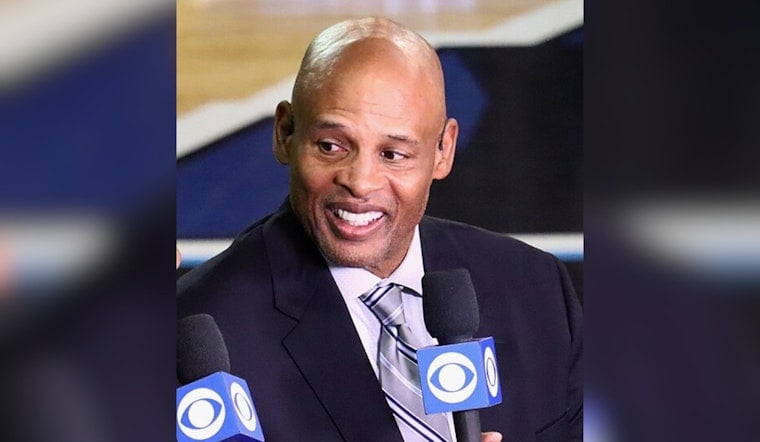
Clark Kellogg is trading the TV studio for a different kind of spotlight, backing a plan to open a residential prep school for young Black men in Columbus that supporters say could reshape how the city serves some of its most vulnerable students.
The former Ohio State basketball star and longtime CBS college basketball analyst is lending his name and time to the Columbus Masters Preparatory Academy, a planned single‑gender boarding school that organizers say will blend rigorous academics, mentorship, and wraparound services. The group is targeting a fall 2028 opening, contingent on securing property in central Ohio and raising the money to make a full residential program work.
The project was rolled out at an event on Ohio State’s campus, where Kellogg joined founder Dr. Robert Murphy, Franklin County officials, and Ohio State faculty to walk through the vision. According to The Columbus Dispatch, Kellogg will chair the launch campaign. Founders say about 30 percent of the student body is expected to be youth involved with Franklin County Children Services, which they describe as a financial partner. The school is set to operate as a private institution while leaders raise funds and search for a central Ohio campus.
Who Is Driving The Vision
The Masters Preparatory Academy is set up as a nonprofit and appears in public tax filings as an educational 501(c)(3). According to ProPublica’s Nonprofit Explorer, the group is registered in Columbus.
Murphy, who has worked in Columbus City Schools and publicly pushed for single‑gender interventions, is leading the effort. He has described the school as a direct response to the academic and social barriers facing Black boys, a theme he has returned to in interviews and podcast appearances about the project. For more on Murphy’s background and vision, organizers point interested readers to a recent profile and interview with him.
Why A Private Boarding School
Founders say they are steering away from a charter school model largely because of how Ohio law treats residential education. The state maintains a separate framework for college‑preparatory boarding schools under Chapter 3328 of the Ohio Revised Code, which spells out governance, facility, and oversight rules for residential programs.
In that legal environment, organizers argue that a private boarding setup gives them more room to design the campus, structure oversight, and line up financing while they refine governance, fundraising, and facilities plans.
Partners And Local Buy‑In
Franklin County Children Services is listed as a launch partner, and organizers say roughly 30 percent of seats will be reserved for youth in foster care. County documents identify Charles “Chip” Spinning as the agency’s executive director and outline its broader role in community partnerships and youth programming. Agency materials are cited by organizers as the place to look for more details on how those partnerships typically work.
The Masters team also points to an early nod from City Hall: the group has already received modest municipal support for youth programming through a Columbus City Council action, which they frame as a sign of early civic buy‑in for the concept.
What Kellogg Brings To The Table
Kellogg’s role, at least for now, is mostly ambassadorial. A standout at Ohio State from 1979 to 1982 and now a familiar face on national college-basketball broadcasts, he brings name recognition and a deep Rolodex that founders hope will pay off when it is time to court donors, higher‑ed partners, and other community players.
Project leaders emphasize that Kellogg’s involvement is designed to open doors rather than run day‑to‑day operations, and they direct people to CBS Sports and related press listings for his professional bio and media background.
What Happens Next
In the near term, the to‑do list is long: lock down a campus site, build both operating and capital budgets, and finish governance paperwork ahead of the targeted fall 2028 launch.
Observers watching the rollout will likely focus on how the group navigates filings with state education officials, local land use and zoning steps, and the fine print of any formal partnership agreement with Franklin County Children Services. The proposal raises plenty of practical questions, from how admissions will work to how the school will staff and finance a full residential model. Founders say those answers will come into sharper focus as fundraising ramps up and the search for a site moves from concept to contract.





