

























































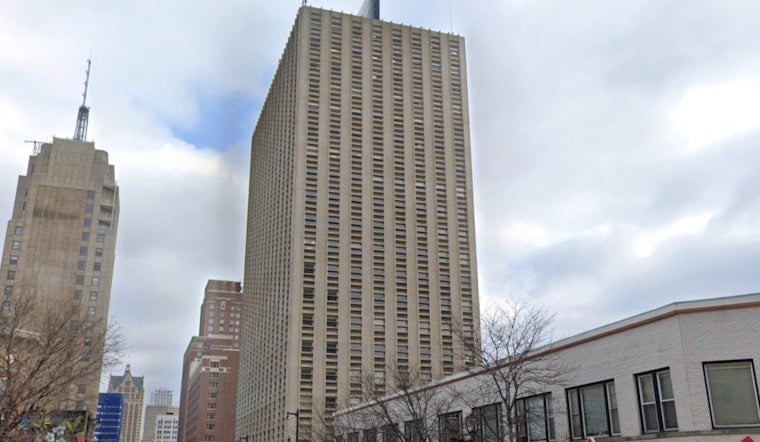
One of downtown Milwaukee’s most recognizable office towers is in limbo. Plans to convert the Clark Building, a 20-story tower in Westown, into mostly affordable apartments have been put on hold, the project’s owner confirmed. The pause comes even after the developer won a competitive housing tax-credit award this week, with the owner saying rising construction and financing costs have outpaced the subsidies that once made the numbers pencil out. For now, the building’s prominent rooftop signage keeps watch over Wisconsin Avenue while stakeholders debate whether and when to move forward.
As reported by the Milwaukee Business Journal, the owner said conversion plans are on hold despite receiving the WHEDA allocation. According to that reporting, the decision reflects a widening gap between updated construction estimates and the subsidy package the development team had assembled.
The proposal, first detailed in earlier local coverage, would convert most of the building’s 20 floors into roughly 224 apartments, with about 80 percent of those units expected to be income restricted, according to Wisconsin Public Radio. The developer had planned to pair low-income housing tax credits with historic preservation credits to make the project financially viable.
Costs Are Outpacing Subsidies
WHEDA announced $47.8 million in competitive housing tax credits this week, but agency officials and developers acknowledge that credits alone may not close growing budget gaps. WHEDA CEO Elmer Moore Jr. said that housing tax credits are a “critical resource” for developers trying to manage inflation and construction-related expenses, according to the WHEDA award announcement reported by WisPolitics.
Local coverage shows the Clark pause fits a broader pattern in Milwaukee, where several reuse and affordable housing projects have been delayed or reworked as interest rates, material prices and labor costs remain elevated. Urban Milwaukee and other outlets have tracked multiple conversions that won initial support but later stalled while developers revisited their capital stacks.
Next Steps For The Clark Building
The developer previously said he planned to pursue National Register listing to access historic tax credits and to phase work so lower-floor office tenants could remain during a conversion, details laid out in earlier reporting by Wisconsin Public Radio. For now, the ownership team will reassess financing and timing; a WHEDA award does not automatically trigger construction.
The pause leaves one of downtown Milwaukee’s most visible towers in a holding pattern and highlights the tension between public subsidy programs and current construction economics. Developers, city officials and housing advocates will be watching to see whether additional subsidy, lower material prices or shifts in financing can bring the Clark conversion back to life.




