

























































Cleveland's network of Flock Safety license-plate reader cameras is headed for a make-or-break vote Monday evening, June 1, 2026, as City Council decides whether to renew the system or let it quietly die at the end of the month. The contract is set to expire June 29, 2026, putting roughly 100 cameras across the city on the line in a showdown pitting Mayor Justin Bibb's public-safety argument against residents who say the technology amounts to mass surveillance.
As reported by WOIO, Mayor Bibb has framed the camera network as a key investigative tool that helps solve vehicle thefts and homicides, while a resident-led coalition called "Flock No" argues the system casts far too wide a surveillance net. Advocates have zeroed in on whether federal immigration authorities could tap Flock's database and use it against Cleveland residents, a concern WOIO notes has helped drive the uproar heading into Monday night's meeting.
Renewal Heads To Council
City officials initially tried to keep the program going with an administrative extension, but the Bibb administration ultimately told the council it would instead seek a formal vote. According to Ideastream Public Media, Public Safety Director Wayne Drummond said staff planned to introduce an ordinance on June 1 asking for a one-year extension to avoid a gap in investigative tools. Council members have signaled they may opt for more hearings and public comment before they lock in a final decision.
Activists Demand Answers
Organizers with Flock No are not interested in a short-term extension. They want the cameras gone, arguing the system scoops up data on every vehicle that passes and turns routine driving into a searchable trail of movement. An investigation by News 5 Cleveland reviewed audit logs that showed hundreds of immigration-related searches in nearby jurisdictions and flagged similar queries tied to regional cameras. Activists say those findings show filters and policies can break down in practice, and they argue Cleveland should not commit more public money without far stronger oversight.
Part Of A National Pushback
Cleveland is hardly alone in the fight over how far license-plate tracking should go. Across the country, suburbs and cities have paused or scrapped Flock contracts after residents and reporters found that outside agencies were using plate-reader networks for immigration searches. Axios reported that controversies in Shaker Heights and other suburbs have intensified pressure on Cleveland officials and raised fresh questions about how Flock shares data. That scrutiny has left city leaders caught between law-enforcement priorities and a growing wave of privacy concerns from residents.
City Says Safeguards Are In Place
The Bibb administration has acknowledged that Flock networks in other parts of the country have been queried for immigration enforcement, but says Cleveland has moved to head that off locally. As WOIO reports, officials say the city added filters, audit logging and administrative controls designed to block such searches. City leaders argue those safeguards, combined with ongoing monitoring, can preserve the investigative benefits for police while addressing at least some of the community's fears about misuse.
Legal Questions And What To Watch
Court rulings have generally allowed police to query fixed-location automated license-plate readers without a warrant, a legal backdrop News 5 Cleveland highlighted in its coverage of the debate. The station also noted that Cleveland adopted a ban on immigration searches last November and added a reproductive-care search filter in 2025, moves critics say still do not solve the deeper technical and data-sharing vulnerabilities in large camera networks. That tension between established case law and on-the-ground community concerns is likely to frame the council's deliberations this week.
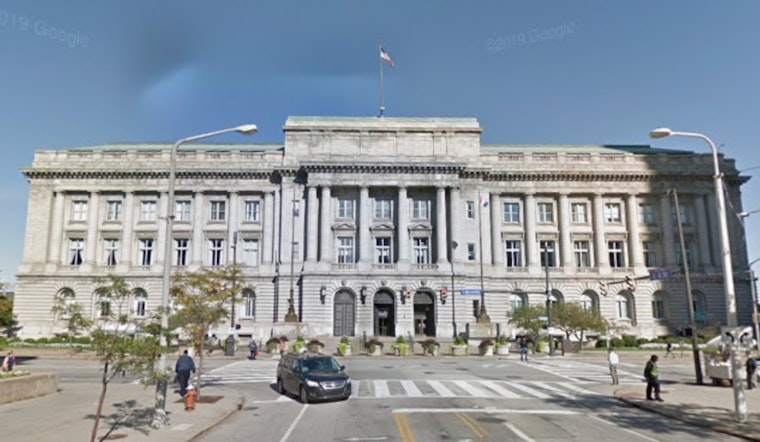
The immediate choices are clear enough. Council can approve a one-year extension, allow the contract to lapse on June 29, 2026, or punt the issue back to committee for more hearings and tighter policy language. Per Ideastream Public Media, organizers planned to pack Monday's session and deliver public comment at City Hall, 601 Lakeside Ave E. The outcome will determine whether Cleveland's roughly 100 Flock cameras stay in the city's public-safety toolkit into next year or go dark at the end of June.





