

























































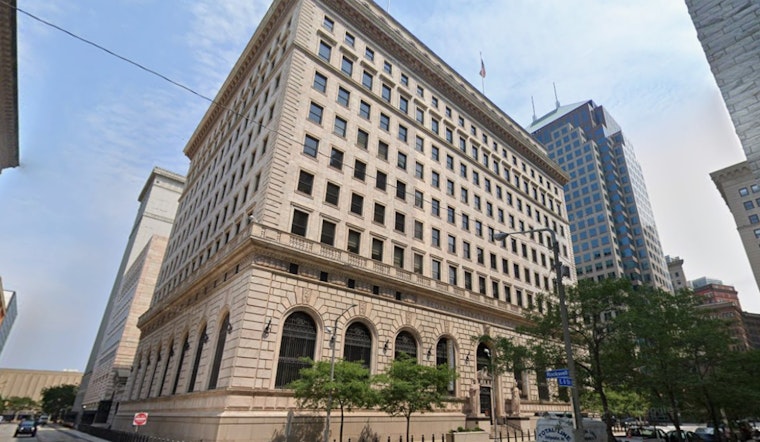
Inflation is still refusing to cool off, and Cleveland Federal Reserve President Beth Hammack is making it clear she is ready to act if it does not. Speaking at a City Club of Cleveland forum on Tuesday, Hammack warned that inflation remains "too high and is moving higher" and said policymakers may have to tighten monetary policy if price pressures do not ease. Hammack, a voter on the Federal Open Market Committee this year, said it is reasonable to keep rates steady for now but added that "it may soon be appropriate to act."
In prepared remarks to the City Club, Hammack said price pressures were "relatively broad-based" across goods and nonhousing services and pointed to rising costs for electricity, health insurance, and software as notable drivers, according to Reuters. The Federal Reserve Bank of Cleveland's biography and speeches pages show Hammack routinely travels the Fourth District to gather local business intelligence, which gives her comments added weight for banks and businesses across Ohio, according to the Cleveland Fed.
Markets and the Fed calendar
Financial markets did not take long to react. The CME FedWatch tool still shows a high probability that officials will leave rates unchanged at the June meeting, yet futures traders have boosted the odds of further tightening later in 2026 as inflation and an energy shock have pushed price risks higher, according to CME Group. The next Federal Open Market Committee meeting is scheduled for June 16–17, per the Federal Reserve calendar, and it will be the first under new chair Kevin Warsh after his Senate confirmation in May. Traders will be laser-focused on the policy statement and the dot-plot for any sign that the Fed is shifting back toward a tighter stance.
Why it matters in Cleveland
Hammack's warning lands close to home because the Cleveland Fed helps supervise regional banks and gathers the on-the-ground intel that shapes how lenders set credit and risk policies. Recent coverage noted that Hammack's regional outreach and comments about delaying cuts have already influenced how Ohio lenders and borrowers price risk, according to delaying cuts. If policymakers do move to tighten, homeowners and small businesses in the Fourth District could be staring at higher borrowing costs for longer.
What to watch next
Investors and Main Street alike will be watching incoming inflation data, especially the consumer price index and the Fed's preferred personal consumption expenditures gauge, along with the monthly jobs reports in the runup to the June meeting. Those readings will heavily influence whether officials conclude price pressures are truly fading. The PCE is explained by the BEA, and jobs releases are published by the BLS, useful reference points for anyone trying to track the policy outlook.



