

























































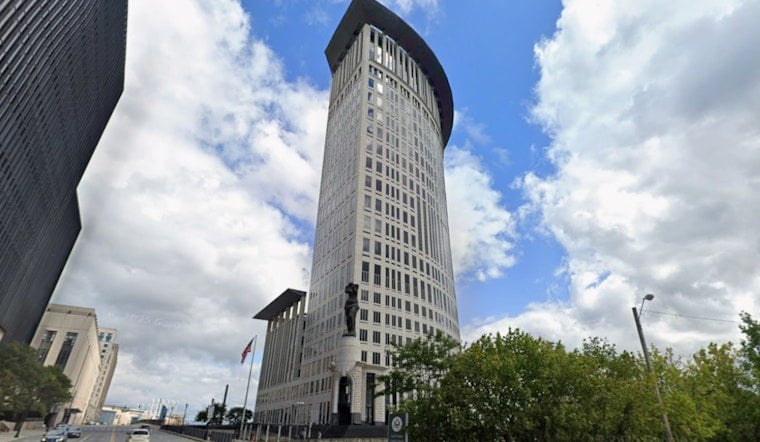
A federal judge in Cleveland has tossed a nearly $20 million Securities and Exchange Commission enforcement suit against former FirstEnergy CEO Chuck Jones, a setback for regulators trying to stretch the fallout from Ohio’s House Bill 6 scandal into the civil arena. U.S. District Judge J. Philip Calabrese concluded the SEC had not shown Jones was legally required to disclose payments tied to dark money groups and said the CEO’s upbeat public remarks sounded like standard corporate cheerleading rather than securities fraud. The decision does not touch the separate criminal prosecutions linked to HB6, which continue in state and federal court.
Judge's ruling
Calabrese granted Jones’ motion to dismiss and wrote that the former CEO had “no legal duty to disclose dark money payments to political action committees” and that his public comments amounted to “the kind of optimistic and confident comments investors expect from corporate executives,” according to Cleveland.com. The SEC had accused Jones of misleading investors during earnings calls and sought to claw back nearly $20 million in cash bonuses and restricted stock. The agency said it was reviewing the ruling, according to the outlet.
Background: House Bill 6 and the criminal cases
House Bill 6 steered roughly $1.3 billion in ratepayer subsidies to two nuclear plants and became the center of a sweeping corruption probe that prosecutors say involved about $60 million in dark money payments. Former Ohio House Speaker Larry Householder is serving a 20-year sentence for his role in the scheme, and Jones and former FirstEnergy executive Michael Dowling face state and federal charges, both have pleaded not guilty, according to reporting by AP. A Summit County jury deadlocked in March on some counts, and prosecutors later reindicted the executives.
What the SEC said and what it wanted
The SEC’s civil complaint alleged that Jones downplayed FirstEnergy’s role in HB6 and sought to force him to return nearly $20 million in compensation tied to the period in question. As detailed by Cleveland.com, the agency targeted both cash bonuses and restricted stock that Jones received while HB6 was moving through the legislature. FirstEnergy separately reached an SEC settlement roughly valued at $100 million in 2024 and has paid additional penalties related to the scandal, according to Utility Dive.
Legal implications
Attorneys say the opinion underscores how courts draw a fine line between generic executive optimism and statements that cross into material misrepresentation that must be corrected. The decision lands in a shifting legal landscape. In early June, the Supreme Court unanimously reaffirmed the SEC’s ability to seek disgorgement in fraud cases in Sripetch v. SEC, even as judges continue to parse when corporate statements trigger disclosure duties, according to Foley & Lardner. Calabrese’s ruling could still be appealed and may influence how aggressively the SEC goes after individual executives tied to political spending controversies.
What’s next
The SEC says it is reviewing Calabrese’s opinion, while Jones’ legal team has framed the decision as vindication. Prosecutors, however, have signaled they will continue to pursue criminal counts in both state and federal court. Court calendars show related dockets remain active and that prosecutors refiled charges earlier this month, according to WOSU. For Ohio ratepayers and local officials, the long-running fight over HB6, dark money spending, and corporate accountability appears likely to keep unfolding in multiple courtrooms for years to come.



