

























































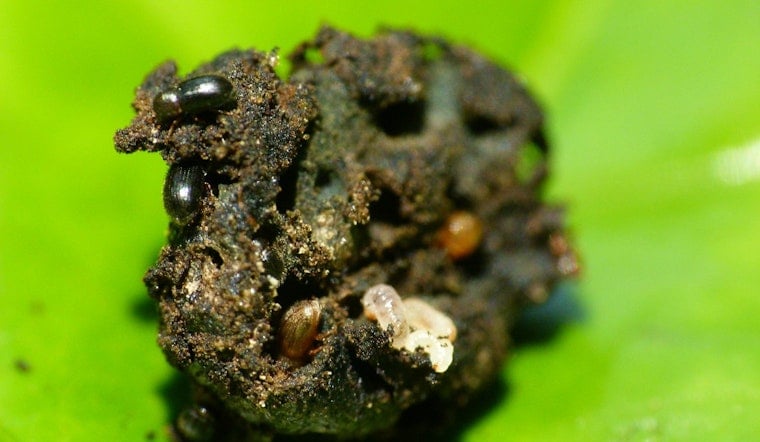
The tiny pest that has haunted Hawaiʻi coffee growers for years just claimed more territory. The Hawaiʻi Board of Agriculture and Biosecurity voted this week to add Lānaʻi and Kauaʻi to the state's official coffee berry borer infested area, putting nearly every commercial coffee island under the same designation. The change, which took effect June 24, 2026, immediately alters how unroasted beans, used coffee bags and harvesting gear are allowed to move between islands. Molokaʻi is now the lone island still treated as coffee berry borer free, so it will continue to face tighter permit and treatment rules.
The board signed off on the expansion at its latest meeting, according to Maui Now. That outlet notes the move follows earlier infested listings for Hawaiʻi Island in 2010 and Oʻahu in 2015, and that regulators kept in place a permit requirement for interisland movement of coffee plants and other propagative material. Officials said the goal is to keep new pest introductions out, even as they loosen rules for shipping coffee products among islands that are already dealing with coffee berry borer.
The coffee berry borer is considered the most damaging insect pest of coffee worldwide, boring into coffee cherries and cutting both yield and bean quality, experts at the University of Hawaiʻi's CTAHR report. CTAHR and partner extension programs recommend integrated pest management, including strict field sanitation, regular monitoring traps and targeted use of biological or approved chemical controls, to hold losses in check. That context helps explain why the state can ease some shipping paperwork while still hanging on to tougher controls for live plant material, which poses a higher risk of spreading the beetle.
What changes for interisland shipments
Now that Lānaʻi and Kauaʻi are officially listed as infested, the board says rules that once required permits and pre-shipment inspections for green, unroasted coffee beans, used coffee bags and harvesting equipment will no longer include a permit step when those items move between infested islands. According to Hawaii News Now, those shipments are still subject to periodic and random inspections, so growers and shippers should not expect a total free-for-all.
Molokaʻi, however, keeps its special status. Any coffee-related shipments headed there must still obtain a permit and undergo disinfestation treatment. Live propagative material will also remain under a one-year quarantine before it is allowed to move. Officials said the updated rules simply acknowledge the current reality that most of Hawaiʻi's commercial coffee producing islands are already classified as infested, while Molokaʻi is not.
What growers should do next
Extension specialists are quick to point out that this is largely an administrative change, not a free pass. On-farm sanitation and consistent monitoring are still the first and best defenses for growers, regardless of island. The Hawaiʻi Department of Agriculture's Plant Industry Division continues to publish guidance and quarantine rules for interisland transport and serves as the main point of contact for permits and inspection questions. The department's coffee berry borer information is collected on the Hawaiʻi Department of Agriculture website, where growers can find the latest regulations.
Producers can also look to University of Hawaiʻi outreach materials for practical, field-level strategies on how to scout for the pest, clean up dropped cherries and time treatments so they get the most impact for the effort and money they spend.
Local impact and next steps
State officials say the new designation should cut down on red tape for roasters and interisland shippers, while still protecting the few areas that remain uninfested. For more information or to apply for permits, the Department of Agriculture and Biosecurity's Plant Quarantine Branch Acting Plant Specialist, Techie Lancaster, can be reached at (808) 832-0566 or [email protected], according to Maui Now.
County extension agents and the department plan to continue surveillance and outreach efforts as growers on Lānaʻi and Kauaʻi adjust harvest and shipping plans for the coming season, now officially on the same coffee berry borer footing as their counterparts on Hawaiʻi Island and Oʻahu.





