

























































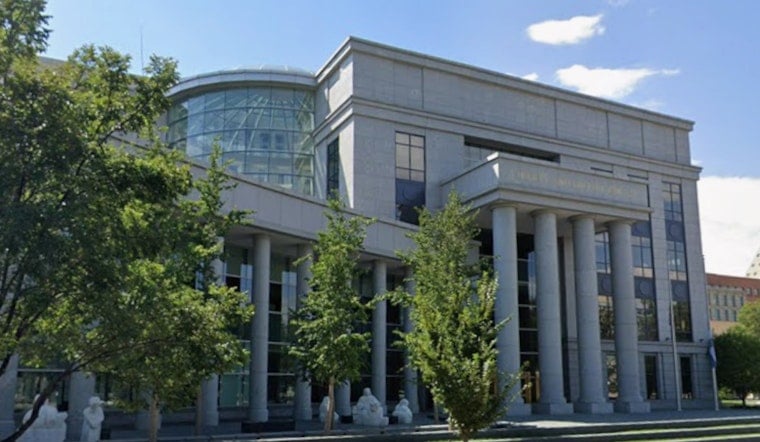
A Colorado appeals court on Thursday threw out the criminally negligent homicide convictions of two former Aurora paramedics in the 2019 death of Elijah McClain and ordered new trials on that charge. The move wipes away key guilty verdicts that juries returned in December 2023 and sends the high-profile cases back to lower-court judges, likely reigniting legal and policy fights over how emergency crews use sedatives and treat people already in police custody.
In its decision Thursday, the Colorado Court of Appeals reversed the homicide convictions for Jeremy Cooper and Peter Cichuniec and sent those counts back for retrial, while leaving intact Cichuniec’s second-degree assault conviction for unlawful administration of drugs, according to CBS News. The court concluded that trial errors required vacating the criminally negligent homicide verdicts and remanding them to the trial court. The ruling landed amid a broader wave of appeals from defendants tied to the widely watched prosecutions stemming from McClain’s death.
McClain, 23, was stopped by Aurora police officers in August 2019, restrained and then given a 500-milligram dose of ketamine by the two paramedics. He went into cardiac arrest in an ambulance and died three days later. Jurors found Cooper and Cichuniec guilty of criminally negligent homicide in December 2023 after a months-long run of trials that produced three criminal convictions and several acquittals, according to reporting by Colorado Public Radio. The prosecutions helped drive a $15 million civil settlement with the city of Aurora and prompted regulators to change ketamine protocols for emergency responders.
What the ruling means
The remand means the homicide counts must now either be retried or otherwise resolved by the Adams County courts, which will decide whether to push ahead with new jury trials, negotiate plea agreements, or dismiss the charges altogether, according to Courthouse News Service. Defense attorneys had argued that trial errors, including problems with jury instructions and other rulings, undercut the homicide verdicts, and the appeals court agreed that at least some of those missteps justified vacating the convictions and sending the cases back. Because the court kept Cichuniec’s assault conviction in place, at least one criminal finding against the senior paramedic stands while the other counts are reconsidered.
Policy and professional fallout
The prosecutions of medical first responders in McClain’s death, and now the partial reversal on appeal, have reopened a national argument over whether criminal charges should follow split-second medical decisions made in chaotic situations. Critics in the EMS community warn that high-profile prosecutions could make paramedics hesitate when fast action is needed, while others, including McClain’s family, say accountability is essential and note that the case helped spur Colorado regulators to tighten rules on ketamine use by emergency workers, per The Associated Press. EMS systems and legal observers around the country are watching to see how Colorado’s next steps might shape policy elsewhere.
What’s next for the defendants
One of the paramedics, Peter Cichuniec, had a five-year prison sentence vacated and replaced with probation by a judge in September 2024, while Jeremy Cooper was given a probationary sentence and work-release in April 2024. Both outcomes remain subject to appeal and could be affected by the new ruling, according to Colorado Public Radio. With the homicide counts now back in play, prosecutors and defense lawyers will return to Adams County court to set schedules and argue over whether new homicide trials should happen at all. Community groups and the McClain family have signaled they will keep pressing for accountability as the legal fight continues.
For the moment, the cases shift back to the trial court for more hearings and scheduling. Whether prosecutors will push for full new trials, narrow the charges, or pursue other resolutions is still an open question. The process is likely to bring fresh rounds of legal motions and, depending on how trial judges rule, potentially more appeals up the ladder, according to CBS News. The McClain case has already reshaped public policy and local oversight in Aurora, and the appeals court’s latest decision guarantees it will remain a central flashpoint in Colorado’s justice and EMS policy debates.



