

























































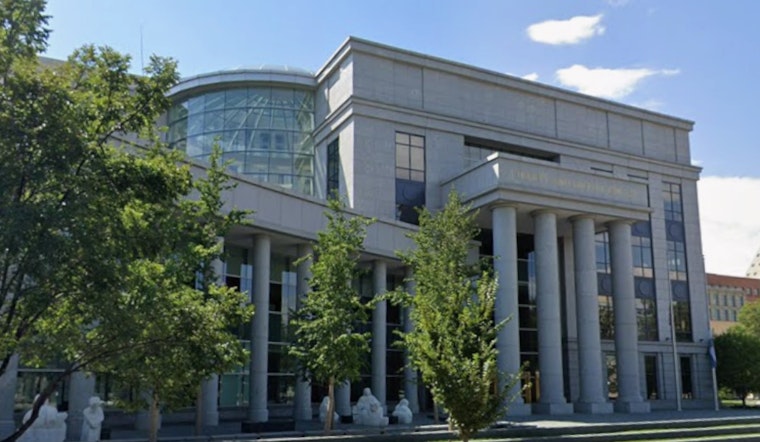
Youth treatment centers across Colorado placed more than 1,100 calls to the state child-abuse hotline over the past five years, and county child-welfare offices chose not to investigate the vast majority of them, according to newly released records. The data, disclosed this week after a years-long legal battle, is reigniting hard questions about who is really watching over residential and group-home programs for kids with the most serious behavioral and mental-health needs.
The numbers came to light after the state's highest court ordered the Department of Human Services to turn over aggregated hotline counts to journalists who sued for access. In a March ruling, the Colorado Supreme Court held that the agency must release simple "cardinal numbers" showing how many hotline calls came from specific facilities and how many of those were screened in for investigation.
What The New Data Reveals
Reporting based on the newly released figures shows that callers from youth treatment centers dialed the hotline 1,154 times in the past five years, and county officials declined to investigate about 92% of those referrals. By comparison, the statewide hotline fielded 117,470 calls in 2025, and 30,509 of them were assigned to caseworkers. Calls from youth institutions are screened in at a lower rate than calls that originate from homes.
As detailed by The Colorado Sun, only 89 reports from 11 youth treatment centers were actually investigated over that period, which works out to an average of about 17 reports per year. The state's child protection ombudsman called the numbers "hugely important" but warned that they represent only one layer of a much bigger story about safety in these facilities.
Why Most Hotline Calls Hit A Wall
County intake workers rely on screening rules to make quick decisions about whether a hotline referral meets the legal threshold for an in-person child-abuse or neglect investigation. Many calls are redirected to licensing officials, diverted to services, or screened out entirely if they do not fit the statutory definitions of abuse or neglect.
Those categories and decision trees are laid out in state social-services regulations, including 12 CCR 2509-1. The rules tell counties to juggle child safety, confidentiality, and limited resources when deciding which referrals to assign to caseworkers.
Legal Fallout From The Supreme Court Ruling
The Colorado Supreme Court's decision significantly narrows how much high-level data the state can keep under wraps and is likely to make it harder for agencies to shield aggregated facility information in future public-records disputes. At the same time, officials point to strict confidentiality laws and licensing obligations, saying they are still required to protect the identities of children and informants even as they respond to growing calls for transparency.
Cases That Drove The Fight For Records
Journalists began pushing for the hotline data after a series of disturbing incidents at youth treatment centers. Among them were two cases in which young people ran away from facilities and later died, one in 2018 and another in 2020, and a recent allegation that a counselor at the Tennyson Center had a sexual relationship with a 15-year-old in the center's care.
The Colorado Sun reported that three Denver-area facilities, Tennyson, Mount Saint Vincent, and Cleo Wallace, generated 1,571 hotline calls over three years. County officials investigated only 106 of those calls, a rate of about 6.7%.
Watchdogs Push For Public Scorecards
The Office of the Colorado Child Protection Ombudsman has for years urged the state to build a public reporting system that would show not just raw call counts, but also the types of allegations and whether any corrective actions followed. The ombudsman's Public Policy Center has repeatedly flagged transparency and broad systemic reforms as key tools for improving safety in licensed facilities.
The office, now led by Jordan Steffen, argues that clearer and more accessible data would help families, placement agencies, and policymakers spot troubling patterns without revealing private details about individual children. More information is available from the Colorado Child Protection Ombudsman.
Advocates and some lawmakers say the newly opened records will only increase pressure for changes in policy, including tougher oversight of youth facilities and more precise screening standards for hotline calls. Any new laws, however, will have to walk a careful line between giving the public a better look at what is happening inside these programs and protecting the privacy of the children who live there. For now, the records inject fresh data into a debate that families, reporters, and watchdogs have been waging for years.





