

























































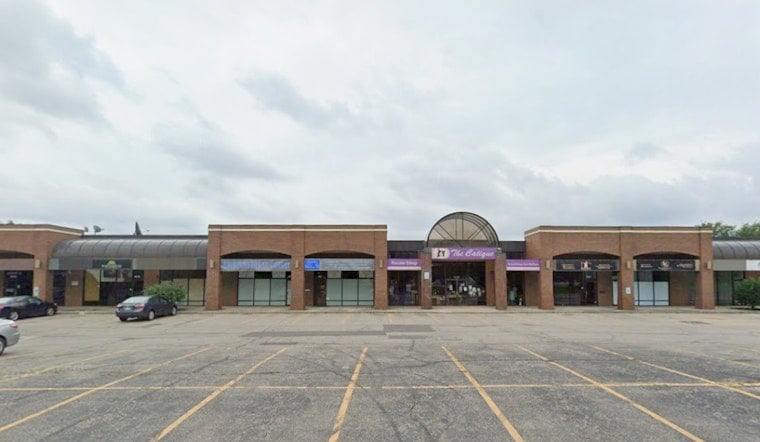
Columbus officials on Tuesday ordered the Kulture Lounge on Mediterranean Avenue to shut its doors immediately, saying the North Side bar had become tied to repeated violent incidents and suspected illegal liquor sales. City leaders pointed to several recent shootings linked to the venue and a steady stream of police calls, and said the bar will stay closed while licensing and public safety questions get sorted out.
Officials cite pattern of calls and gunfire
City Attorney Zach Klein told WSYX (ABC6) that Kulture Lounge "has a history of violent crime" and had been the site of several recent shootings. Columbus police began looking into the bar earlier this year after complaints about illegal liquor sales and violent activity, and the department says officers were dispatched there 10 times since last October. Officials said the closure order is intended to head off more trouble while legal and administrative reviews play out.
Liquor permit paperwork changed hands last fall
According to Columbus City Council records, a liquor permit transfer to Kulture Café & Bar LLC at 1005 Mediterranean Ave was filed with the city in November 2025. The application lists C- and D-class permit types and shows the location sought state liquor permits last year. The city filings alone do not establish whether a state permit was actually in effect when officials moved to close the bar.
City leans on civil actions for so-called problem properties
The shutdown tracks with the enforcement playbook used by the City Attorney’s Property Action Team, which in recent years has turned to civil nuisance lawsuits and court orders to board up or close bars and other addresses linked to shootings and unlawful sales. A series of Columbus City Attorney press releases outlines earlier cases where the office sought court intervention in the name of neighborhood safety. Officials say those tools let the city move quickly when they believe there is an immediate risk to the public.
Legal implications
If investigators determine the business sold alcohol without the proper permit, the Ohio Division of Liquor Control can suspend or revoke state permits and pursue administrative penalties under state law. The standards for permit suspension, revocation, and local objections are spelled out in the Ohio Revised Code, which also gives city officials a formal way to object to permit renewals tied to public safety concerns. Separate civil nuisance actions can seek court orders and fines while any criminal or administrative investigations continue.



