

























































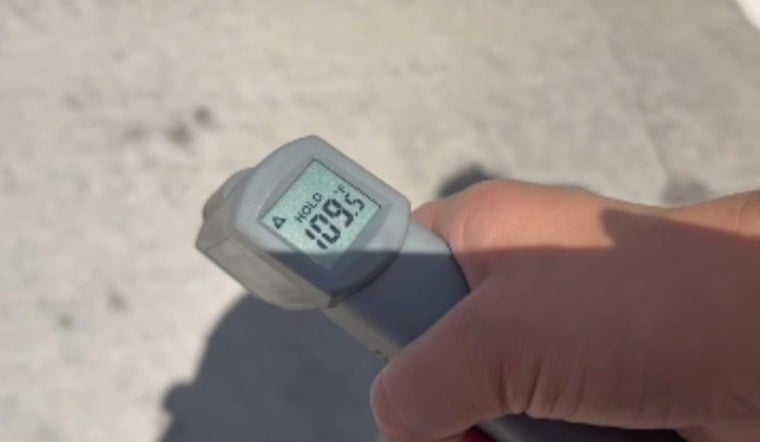
Commerce City police are turning a blunt message into a viral warning, posting a short video on Friday that shows just how fast a parked car turns into an oven and why leaving pets inside is a life-or-death mistake. In the clip, Community Service Officer Davenport takes temperature readings inside a vehicle and explains that cracked windows, bowls of water, or a shady parking spot do not make a hot car safe for a dog. The department says it has already fielded multiple recent calls about animals left in vehicles, and the video is a pre-summer push to get through to owners before a quick errand becomes a tragedy. The post's title - "Hot dogs are tasty.... but hot dogs are deadly!" - drives the point home in a harshly literal way.
Department video shows rapid heat rise
In the reel, the department posts temperature readings and repeats the warning that "Hot dogs are tasty.... but hot dogs are deadly!" while showing how quickly the cabin heats up, according to the Commerce City Police Department. Davenport notes that he will "do whatever it takes" to save a suffering dog, including breaking a vehicle window if needed, and adds that officers have taken several calls this week about pets left in cars. The post is short, visual, and pointed, clearly aimed at getting distracted owners to rethink their habits before a dog collapses in the back seat.
Cracked windows and shade will not keep animals safe
Animal welfare experts have long stressed that a parked car can turn dangerous in minutes and that cracking a window barely slows the temperature climb. According to ASPCA, interior temperatures can reach roughly 104°F in 30 minutes on a 70°F day and in about 10 minutes on an 85°F day, based on American Veterinary Medical Association data. The National Weather Service's safety guidance likewise shows how the greenhouse effect inside a vehicle can send cabin temperatures into life-threatening territory well before an owner walks back to the parking lot.
What Colorado law allows and requires
Colorado law gives limited Good Samaritan protection to people who break into a locked vehicle to rescue a child, vulnerable adult, cat, or dog, but it sets clear conditions for immunity. As summarized by legal analysts at Ramos Law, a rescuer must reasonably believe the animal is in imminent danger, try to find the owner, contact 911 or local authorities first, document the vehicle details, and use only as much force as is necessary to get the animal out. They must remain at the scene or leave contact information if they have to leave. Coverage at the time the statute was adopted noted that the 2017 law spelled out those steps explicitly, to balance urgent lifesaving action and property-rights concerns, according to Denverite.
How to respond if you see an animal in a hot car
If you spot a pet alone in a hot vehicle, call 911 and stay with the car while emergency services are dispatched. If the animal is conscious and dispatch advises you to step in, move the pet into the shade, offer cool (not iced) water, and use cool, wet towels while the animal is taken to a veterinarian. Guidance from KidsAndCars stresses that any animal showing signs of heatstroke needs professional care quickly. The most reliable solution is simple prevention, so authorities urge owners not to leave animals unattended in vehicles at any time of year.
For Commerce City, the video is meant as a neighborhood wake-up call that a few minutes can be fatal and that officers are prepared to act when they get a hot-car call. Whether it convinces a neighbor to leave the dog at home or pushes a bystander to dial 911, the department's on-camera temperature test makes the risk difficult to shrug off.





