

























































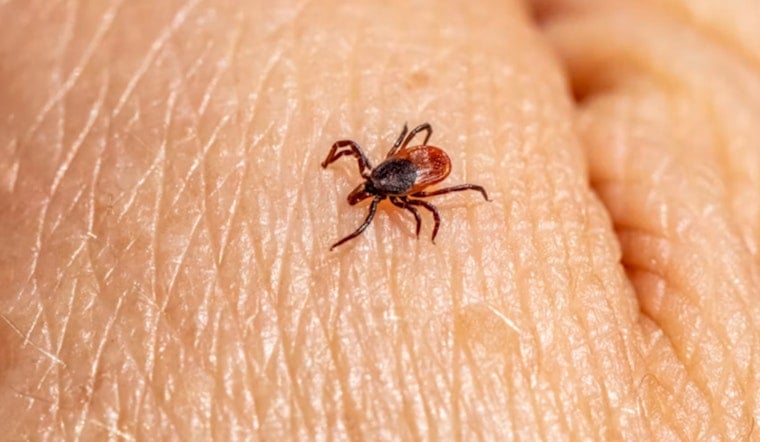
A New Hampshire outdoorsman is in a life-or-death battle at a Boston hospital after contracting Powassan virus, a rare but potentially fatal tick-borne infection. Loved ones say it all traces back to a single tick bite that has now left him unable to speak and confined to a hospital bed for weeks.
WBZ-TV reporter Aaron Parseghian disclosed that the patient has been in a Boston hospital for more than a month, after suddenly developing severe neurological problems. As reported by CBS News Boston, the case is putting fresh spotlight on tick-borne illnesses across New England at the height of outdoor season.
Local coverage has identified the patient as 66-year-old John Reagan of Concord. He was first treated at Concord Hospital, then transferred to Massachusetts General Hospital as his condition deteriorated. WMUR reports he was placed on a ventilator when his breathing worsened. A family friend told the station that as doctors tried to bring him out of sedation, "He was moving his fingers and moving his toes."
Powassan Is Rare But Ruthless
Powassan virus spreads through the bite of infected ticks and can lead to encephalitis, seizures and long-term neurological problems, according to the Centers for Disease Control and Prevention. There is no vaccine and no specific antiviral medication for Powassan, so treatment focuses on supporting breathing and other critical body functions.
CDC data show only several hundred Powassan cases reported nationwide since 2004, with New Hampshire among the states that have documented infections. That history underscores that the disease is uncommon yet present in parts of the Northeast. Public health officials say it is especially important during tick season for clinicians to recognize possible cases quickly and report them without delay.
State Officials Urge Vigilance
This spring, the New Hampshire Department of Health and Human Services reminded residents that ticks are most active from spring through fall and urged basic precautions around yards, pets and outdoor activities. Local reporting by Hippo Press highlights a late May DHHS advisory and the agency's resources on tickborne diseases.
Reagan's friends and family have launched an online fundraiser to cover growing medical and travel expenses while he remains hospitalized. The GoFundMe page outlines his condition and asks for help as he continues to receive intensive care.
Health officials urge anyone who develops fever, severe headache, confusion, weakness or other neurological symptoms after a tick bite to get medical care right away and to tell providers about recent time spent outdoors. Experts say the strongest protection is still prevention: use EPA-registered tick repellents, wear long sleeves and pants in brushy or wooded areas, check yourself and your pets after being outside, and remove any attached ticks as quickly as possible.


