

























































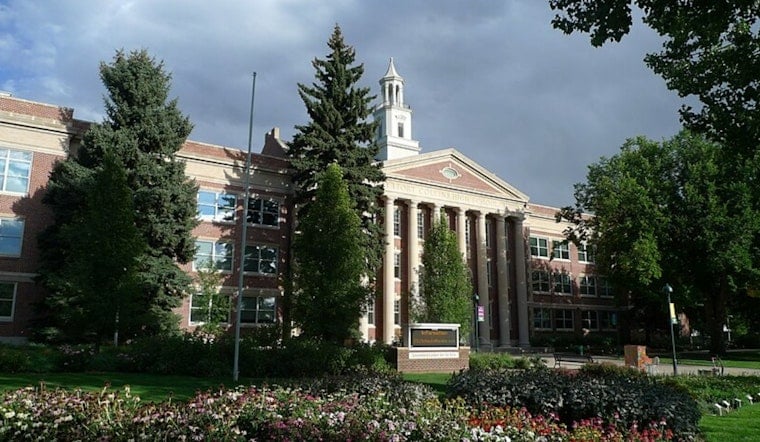
Colorado State University has cut the ribbon on a sprawling new Veterinary Hospital and Education Complex on its Fort Collins South Campus, a roughly $230 million expansion that reshapes the university's clinical and teaching footprint. The project pulls classrooms, labs, and specialty clinics into one hub and is built to get veterinary students working with patients much earlier in their training. Faculty and staff are set to move in this summer, with students expected to fill the new classrooms when the fall semester begins.
As reported by CBS Colorado, the expanded facilities will let CSU grow its Doctor of Veterinary Medicine enrollment by about 20 percent, adding 30 new seats to incoming classes starting in fall 2026 and eventually bringing class sizes up to roughly 180 students. The program gets as many as 4,200 applications a year and previously had just over 140 available spots. "It will allow us to fill a lot of the employment needs in our region and throughout the nation for veterinarians," Associate Dean Melinda Frye told CBS.
What's inside the new complex
According to Colorado State University, the Veterinary Health and Education Complex nearly doubles the footprint of the existing teaching hospital and adds reconfigured primary-care space, simulation labs, and new classrooms. The university says the primary-care suite roughly triples exam-room capacity so students can see more routine cases, while specialists focus more heavily on advanced referrals. CSU's veterinary system already handles more than 42,000 patient visits each year, and administrators say the added space is designed to pull more of that clinical training into the earlier years of the four-year DVM curriculum.
Why it matters for Northern Colorado and beyond
A national analysis commissioned by the Association of American Veterinary Medical Colleges warned of a possible shortage of veterinarians through 2032 and recommended expanding training programs to keep up with demand, according to AAVMC. The complex also drew state backing. Colorado signed off on a $50 million allocation for the project in recent capital funding, as the Colorado legislature documents, a move university officials and supporters framed as an investment in the regional workforce and in access to animal care. CSU leaders and advocates say a larger student pipeline, paired with earlier patient contact, is meant to help ease local shortages, particularly in rural and mixed-animal practice areas.
What pet owners will likely see
For pet owners, the beefed-up primary-care clinic is expected to translate into more slots for routine appointments and, ideally, shorter waits for basic services. The new simulation spaces are intended to sharpen students' clinical and communication skills before they interact with clients in real exam rooms. Owners such as Nick Davis, whose dog Gimlet has long been a CSU patient, say the growth is welcome; Davis told CBS Colorado that the expanded hospital "means more opportunities for specialized care." With faculty and staff moving in over the summer, CSU expects the facility to be fully up and running for teaching and many clinical services by the fall semester.





