

























































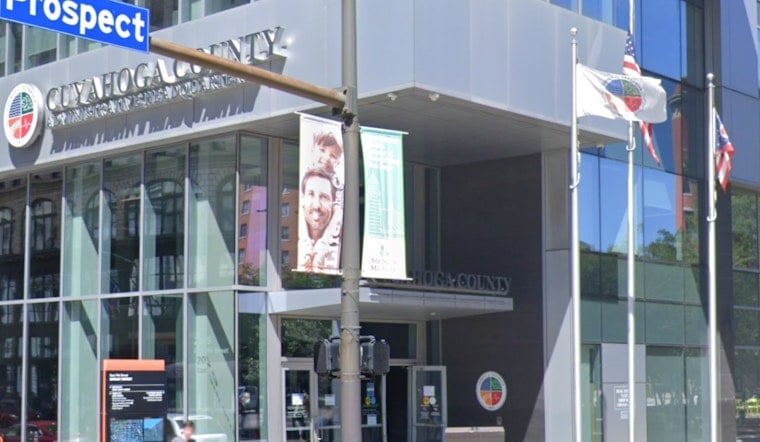
Cuyahoga County Council on Thursday shot down a plan to tap opioid settlement dollars for new juvenile probation officers, leaving an already stretched staff to juggle heavy caseloads. Court leaders warned that the rejection would pile even more work onto officers. Backers argued the one-time transfer would tighten supervision for at-risk youth, while opponents said the county’s budget pressures are too intense to justify adding ongoing personnel costs right now.
The proposal in brief
The amendment, filed as Resolution R2026‑0080, would have revised the budget to shift $900,000 from the Opioid Mitigation Fund to cover the final nine months of 2026 and pay for up to 15 additional juvenile probation officers, according to the county’s budget resolution (R2026‑0080). The resolution text also cites an annual run rate of about $1.2 million to sustain a 12 officer staffing level and describes the $900,000 as a short-term use of settlement dollars. The full language is available in the resolution from Cuyahoga County.
Council split over using opioid money
The measure failed after a tense committee debate that exposed sharp divisions over how to use the settlement fund. Councilmembers Sunny Simon and Michael Gallagher were among the leading supporters, while Council President Dale Miller and several colleagues lined up against the transfer. As reported by Cleveland.com, critics pointed to a current hiring freeze, potential cuts to other social services, and the risk of taking on long-term operating costs with a pot of money that will not be around forever.
Opioid fund has cash but many commitments
Cuyahoga County’s 2026‑27 budget presentation shows the Opioid Settlement Fund sitting on a sizable cash balance, but it is already spoken for in many ways. The county’s materials list roughly $76.7 million in the settlement account along with earmarks for crisis response programs, a behavioral health crisis center, and diversion projects. County officials say those commitments limit how much of the fund can realistically be pulled into recurring payroll. For a broader look at the fund and planned spending, see the budget presentation from Cuyahoga County.
Court: officers already handling too much
Juvenile Court leaders told reporters that probation officers are often supervising about 30 youth each, roughly double the court’s stated best practice target of 12 to 15 cases per officer. They also said the court is on track to end the year with about a $1.3 million operating deficit. According to court officials, there are qualified candidates ready to be hired, but the money to bring them on simply is not there. County Executive Chris Ronayne has previously described youth violence as a public health problem that calls for more investment, not less. Summing up the supporters’ view, Sunny Simon put it bluntly: “if we care about what’s happening with crime, if we care about these families, it’s a no‑brainer,” as reported by Cleveland.com.
Budget trade‑offs loom
Officials framed the vote as part of a bigger, and increasingly uncomfortable, set of budget trade-offs. One-time settlement money can plug immediate gaps, but new staff lines stick around long after the opioid dollars are gone. Coverage by Ideastream Public Media has highlighted the competing priorities on the council’s plate, from hospital subsidies to jail planning to pressure on the county’s health and human services levy, all of which are squeezing the current budget cycle.
What’s next
With the amendment stalled in committee, juvenile justice leaders say they plan to lobby council members again during the upcoming biennial budget review and through public testimony. Advocates and court officials argue that even a short, targeted staffing boost would cut caseloads and strengthen community-based supervision for youth. Council members, though, will have to decide whether that argument outweighs the array of other obligations already lined up in a very crowded county budget.



