

























































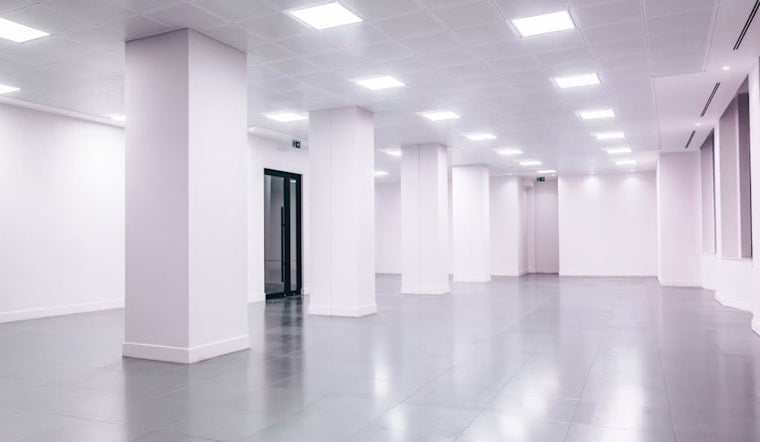
Downtown San Francisco is sitting on roughly 30 million square feet of underused office space, and Washington may finally be sending the kind of help City Hall has been waiting for. Congress' new housing package includes a provision pushed by Rep. Ro Khanna that could steer federal resources toward turning some of those vacant towers into housing, a key piece of the city's long-discussed downtown recovery strategy that has so far struggled to get off the ground.
According to KTVU, Khanna wrote a provision in the broader housing package that focuses on boosting housing development inside federally designated Opportunity Zones. Local advocates argue that if those Opportunity Zone tools are pointed squarely at office conversions, the extra subsidy could finally make borderline projects pencil out and attract investors who have been steering clear of many Bay Area buildings.
What the federal change would do
The bipartisan 21st Century ROAD to Housing Act, along with related language, would set up a pilot grant program to help cities convert vacant commercial and industrial buildings into attainable housing. It would also allow HUD to give extra weight to applications for projects inside qualified Opportunity Zones, according to an explainer from the Bipartisan Policy Center.
The bill's legislative text further authorizes a Blighted Building to Housing Conversion pilot under the federal HOME program. That pilot is designed to help cover conversion costs for eligible jurisdictions and narrow the gap between what it costs to overhaul an office building and what the finished homes are worth, per the bill text.
How this could matter in San Francisco
San Francisco has already tried to sweeten the pot for conversions with local incentives, including a new financing district the mayor approved earlier this year. City planners estimate that about 48 buildings could qualify under that program and that the city is carrying roughly 30 million square feet of vacant office space downtown, the San Francisco Chronicle reports.
One closely watched test case is the Humboldt Bank building at 785 Market Street, a proposed 124-unit office-to-residential conversion. That project is expected to move forward under the local financing district, but its groundbreaking has been pushed back while the developer waits for financing to lock in and short-term leases to expire, according to the Chronicle.
Costs and scale remain constraints
Even with new incentives, converting offices into homes is neither simple nor cheap. Developers point to deep floor plates that make it hard to carve out light-filled units, mandatory seismic upgrades, and major plumbing work, all of which can push conversion budgets higher than what eventual rents or sale prices will support.
Nationally, the office-to-apartment pipeline grew sharply in 2025, with roughly 90,300 units in the works, a 28 percent increase from the prior year. Analysts caution, though, that only a minority of existing buildings are actually economical to convert. Brookings lays out both the scale of the opportunity and the stubborn financial hurdles.
Timing, Opportunity Zones and the nomination window
Treasury and the IRS have already started reshaping Opportunity Zones for the next decade and have issued guidance to states on a July 1 nomination window for new Qualified Opportunity Zone designations. That process will heavily influence where future federal conversion dollars can land.
The guidance makes it clear that governors will nominate census tracts for the next round of Opportunity Zone status, putting state-level decisions and local zoning updates at the center of whether office conversions get priority. IRS documents released in April spell out the nomination steps.
Legal and local policy hurdles
Federal money, if it arrives, will still have to thread a local gauntlet. Conversion projects in San Francisco must clear zoning approvals, satisfy building-code requirements, and navigate negotiations over inclusionary housing rules and development fees.
The city has already loosened some rules for office-to-residential deals, cutting certain fees and waiving some taxes for projects that meet tight eligibility standards. Those breaks are politically controversial and do not apply broadly, as local reporting has noted. Under the bill's provisions, the new federal pilot would not override local land-use control. Instead, it would provide one more financing lever that cities can pair with zoning changes to make a slice of potential conversions actually buildable.
For now, developers and city officials say the combination of San Francisco's local financing tools and a new federal push could finally nudge some marginal deals into motion, with one big caveat: timing. Next Wednesday, July 1, opens a narrow window for governors to nominate new Opportunity Zone tracts, and HUD would issue its first rules for any conversion pilot only after the bill is enacted. If the program rolls out as written and local policies line up, San Francisco's stalled downtown office stock could finally start the slow turn into the housing the city has been chasing for years.





