

























































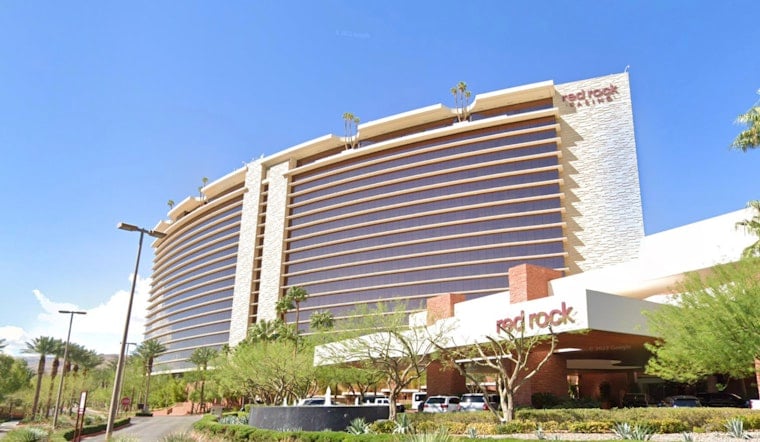
A D.C. Circuit panel on Wednesday enforced a National Labor Relations Board order that requires Red Rock Casino Resort & Spa in Las Vegas to bargain with a union, after concluding the casino’s conduct had tainted the possibility of a fair election. In an unpublished decision, the appeals court backed the board’s use of the Gissel remedy and declined to sign on to the NLRB’s alternate Cemex theory.
The ruling was reported June 10, 2026, by Bloomberg Law, which noted that the court endorsed the bargaining order under NLRB v. Gissel Packing Co., a 1969 Supreme Court precedent that allows mandatory bargaining orders when serious unfair labor practices make a fair rerun vote unlikely. Bloomberg Law also reported that the panel refused the NLRB’s request to affirm the order under the board’s newer Cemex framework and confirmed that the opinion was unpublished.
What the NLRB Found
In a June 2024 Decision and Order, the agency found that Red Rock, which is part of Station Casinos, rolled out unusually generous benefits, made threats about benefits and job security, and otherwise pressured employees during a union organizing campaign. The board said that conduct undermined employees’ free choice.
According to the agency, traditional remedies would not fully cure the impact of the misconduct, so it ordered the resort to recognize and bargain with the Local Joint Executive Board of Las Vegas, as outlined by the NLRB Region 28. “Employees have the right to make their choice about union representation without facing coercion,” Region 28 Regional Director Cornele A. Overstreet said in the release.
Local Stakes
The dispute is the latest chapter in a long and sometimes bitter history between Station Casinos and hospitality unions in Las Vegas, where elections, courtroom battles and repeat NLRB orders have collided for years. Station Casinos has pushed back on earlier rulings in court and has argued that a bargaining order substitutes judicial fiat for workers’ choice at the ballot box, as reported by the Las Vegas Review-Journal.
For workers at the Summerlin resort, the new decision could open the door to formal contract talks without having to go through another election, if the order stands. For a company that has long sparred with Las Vegas unions, that is no small shift.
Why Gissel Versus Cemex Matters
Gissel, a 1969 Supreme Court precedent, authorizes an extraordinary bargaining order when employer misconduct so taints the election process that a new vote would not restore employees’ free choice. It is a high bar that the board says is met in cases where the damage to the organizing environment cannot realistically be undone.
By contrast, the board’s 2023 Cemex decision created a different pathway to bargaining orders where a union shows majority support and the employer’s post-petition unfair labor practices lead to setting aside an election. That framework has quickly become one of the most contested developments in labor law, with employers warning it tilts the field and unions arguing it deters unlawful anti-union campaigns.
The legal fight over which standard applies has already produced conflicting appellate rulings and is keeping the issue on a steady path to further court tests, according to analysis from the American Bar Association.
Legal Implications
The NLRB’s order in the Red Rock case includes remedies such as required postings, mailings to employees and a directive to bargain in good faith, measures the board says are needed to restore employees’ rights. The matter has been winding through the system for years. The agency’s docket shows the case was filed in July 2020 and remains active, according to the NLRB case page.
How aggressively either side seeks rehearing or further review will shape whether the Cemex theory gains traction or is narrowed by appellate courts. For employees at Red Rock and other Station properties, the decision could speed efforts to secure a first contract. For employers, it is a pointed reminder of the risks that come with heavy-handed anti-union tactics.
Both sides are now weighing their next legal moves, even as organizers and rank-and-file workers try to turn a technical board victory into real bargaining leverage on the floor of the resort.



