

























































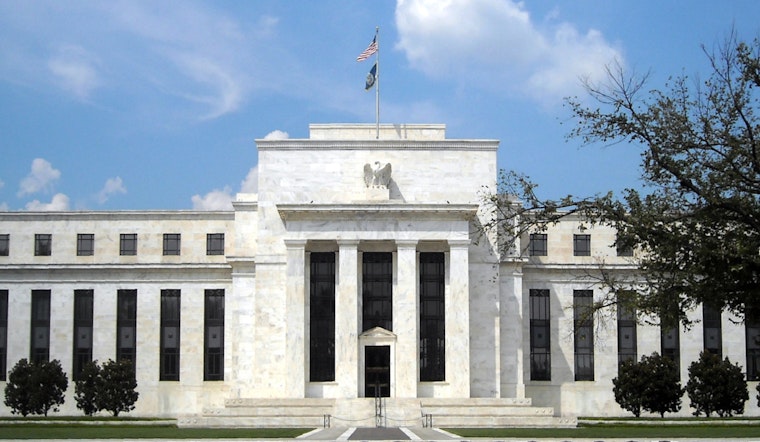
On June 2, 2026, as the Federal Reserve gears up for a pivotal mid June policy showdown under new leadership, economists Christina and David Romer warned that the central bank risks missing the "bigger picture" on inflation. Their warning lands at a tense moment, with consumer prices still running above the Fed’s 2 percent target and officials debating how soon they can safely ease up on tight policy.
The Romers’ message surfaced in a newsletter from Bloomberg, which argued the Fed may be staring a little too hard at recent cooling in inflation while not paying enough attention to the forces that shape expectations over the long haul. The economists urged officials to stay vigilant so that long run expectations remain firmly anchored.
What The Romers Argue
In research published in 2024, Christina and David Romer examined past disinflation efforts and found that the success stories tended to have one thing in common: a central bank that made a clear and credible commitment right at the start. When that commitment was weak, they showed, central banks often backed off too early, delivering only short lived relief from high prices.
That history lesson is the backbone of their current warning. If long run inflation expectations are allowed to drift higher, the Fed could eventually be pushed into harsher and more economically painful tightening later on, according to an NBER working paper by Christina and David Romer.
Where Inflation Stands
The backdrop is not exactly comforting. The Bureau of Economic Analysis reported that the Personal Consumption Expenditures price index, the Fed’s preferred inflation gauge, rose 3.8 percent year over year in April, with core PCE, which strips out food and energy, running at 3.3 percent. Those readings are still well above target and make any early, feel good pivot toward easier policy a tricky sell, according to the BEA.
Policy Stakes As Warsh Takes The Helm
All of this hits as Kevin Warsh settles into the hot seat. He was confirmed by the Senate in mid May to lead the Fed, and the policy committee is lining up its next rate decision for June 16 to 17. The confirmation was widely reported, including by AP, and the official schedule on the Federal Reserve website shows the June meeting window, when policymakers will release fresh economic projections and a post meeting statement that markets will parse word by word.
Markets Are Watching
On Wall Street, the early verdict is that the Fed is likely to hold its fire in June rather than cut right away. Traders have largely priced in a pause, which leaves officials with minimal room to hint at a rapid easing path without new, convincing evidence that inflation is slowing in a durable way. Market implied odds tracked by the CME FedWatch Tool show the June decision as data dependent but tilted toward no change.
What This Means For Borrowers And Workers
For households and businesses, the Romers’ warning is not just academic. Sticky prices combined with a Fed that feels compelled to defend its credibility on inflation expectations translate into borrowing costs that are likely to stay elevated longer than many borrowers would like.
Mortgage benchmarks are still sitting in the mid 6 percent range, according to Freddie Mac, a level that keeps housing affordability under pressure and reminds consumers that the Fed’s decisions are felt far from the marble halls in Washington. Whether policymakers heed the Romers’ historical warning will be one of the main storylines as the June meeting approaches, and likely well beyond it.




