

























































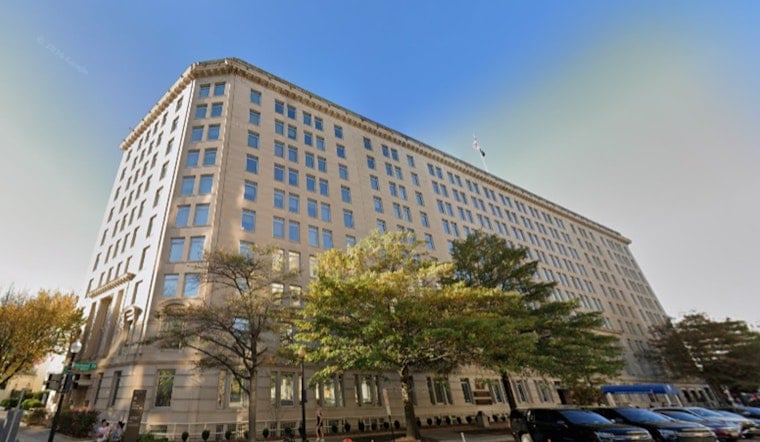
Thousands of veterans whose disability appeals were quietly shut down inside the Department of Veterans Affairs’ old tracking system are now getting a second shot. A proposed nationwide settlement would force the VA to dig back through its legacy appeal files, reopen cases that were closed by mistake and, in some instances, restore benefits that have been in limbo for years. Notices have already started landing in mailboxes as the case moves toward court review this summer.
In a notice about the deal, the Department of Veterans Affairs says it would manually review 28,258 appeal files that its own records flag as likely containing timely Substantive Appeals, and reactivate any that were wrongly closed. The agency also says it will send individualized letters to as many as 64,599 other veterans with closed files, and wrap up the initial round of audits in under 18 months.
Advocates and attorneys say veterans did not blow their deadlines, the system did. The culprit, they argue, was VACOLS, the VA’s older appeals database. As Stars and Stripes reports, class counsel Jim Fausone put it this way: “Veterans lost access to their VA appeals not because they missed a deadline, but because of VA administrative and computer errors.” VACOLS ran monthly sweeps that could mark an appeal closed if a Substantive Appeal was not logged in time, even when the veteran had actually filed it.
What the settlement covers
On March 18, 2026, the U.S. Court of Appeals for Veterans Claims certified the settlement class in Freund v. Collins and adopted an objective definition that pulls in appeals closed in VACOLS between Dec. 12, 1990 and Feb. 6, 2025, as described in the court’s opinion. According to Justia, the parties agreed that the VA’s search identified 28,258 appeals for a case by case audit, and the settlement would require the agency to reactivate any appeal where it finds a timely filing. That class certification cleared the way for Rule 23 notices to go out and for the planned audits to begin.
What veterans should do now
If a notice shows up in your mail, hang onto it and make sure the VA has your current address. As WFAE reports, the letter will spell out whether your file is in the automatic audit group or the separate notice group. Veterans should start rounding up any old Form 9s, certified mail receipts, fax logs or other paperwork that shows a Substantive Appeal was filed on time.
One more thing, and it is a big one: be skeptical of anyone who calls or emails offering to “secure” your back pay for a fee. Accredited representatives, veteran service officers and class counsel are the ones who can legitimately walk you through your options and next steps.
Timeline and the road ahead
The court has set a fairness hearing for Aug. 13, 2026, in Washington, D.C., to decide whether the proposed settlement is fair and legally binding, according to Stars and Stripes. If the judge signs off, the VA will be required to finish the manual audits, reactivate the confirmed cases within the deadlines in the agreement and notify the affected claimants, as laid out by the Department of Veterans Affairs.
Advocates caution that getting an appeal reactivated is only step one. Even if the settlement moves forward on schedule, it could still take years for those revived appeals to reach a decision on the merits and for any retroactive benefits to be calculated and paid out.





