

























































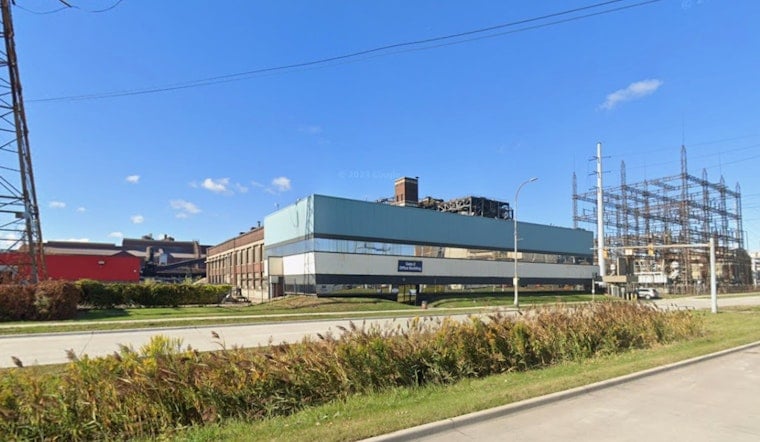
Cleveland-Cliffs is quietly kicking the tires on a big move in Dearborn: restarting the mothballed blast furnace at its Dearborn Works plant, which has been sitting cold since a 2025 idling that wiped out hundreds of jobs. The idea alone has some suppliers perking up and local labor leaders bracing for what comes next. In metro Detroit, where old-school integrated steel still feeds key parts of the auto supply chain, a return to raw-steelmaking would ripple fast through factories and parts warehouses across the region.
The possible restart was first laid out this week by Crain's Detroit, which reported that top Cleveland-Cliffs executives are “mulling” a return to blast-furnace production at Dearborn Works. The outlet characterized the comments as exploratory, not a formal restart plan, and cited company insiders and industry watchers who sketched out what it would actually take to bring the furnace back to life.
Background: Why the plant was idled
The Dearborn Works blast furnace, basic-oxygen furnace steel shop and continuous-casting lines were idled in 2025 as part of a broader footprint rationalization tied to weak U.S. automotive production, according to regulatory filings. Cleveland-Cliffs' filings note that the finishing side of the mill stayed busy, with pickling, the tandem cold mill and galvanizing lines remaining in operation while raw-steelmaking was paused so the company could rebalance capacity across its system.
Local fallout: layoffs and the union response
The shutdown set off WARN notices and temporary layoffs that hit roughly 600 workers, according to coverage from News 5 Cleveland. Separate reporting from WXYZ captured UAW Local 600 leaders saying they felt blindsided by the move and pushing the company for clear answers on when, or if, laid-off members would be brought back.
What would it take to restart?
Executives have signaled that market conditions would be the deciding factor for any restart, with higher prices and a stronger order book at the top of the list. Earlier this year, Manufacturing Dive reported CEO Lourenco Goncalves saying the company’s “order book is full” as steel prices firmed in the spring, a tone that sounded very different from the auto slump backdrop of 2025.
Complicating any Dearborn comeback is the calendar. The blast furnace is scheduled for a relining in 2027, a multihundred-million-dollar maintenance job that would quickly turn a restart decision into a very expensive proposition. That looming cost could either make a short-term restart tough to justify or, as Canary Media has noted, serve as the moment to consider a far pricier conversion to lower-carbon steel production. Either way, no one is casually writing that check.
Next steps
For now, the conversation sits firmly in the “what if” category. Crain's Detroit underscored that executives are still only “mulling” a restart, and industry trade reports continue to list the Dearborn blast furnace as idled. Outlets including Steel Market Update have tracked Cleveland-Cliffs' broader strategy of shifting which furnaces run and which sit idle across its footprint.
If the company ultimately decides to fire up the Dearborn furnace again, the timing will hinge on how strong the steel market looks, how the numbers pencil out on that 2027 reline or a potential conversion, and what sort of deal can be reached with the plant's workforce. Until then, Dearborn and the wider regional supply chain will be watching closely, waiting to see whether this is a brief trial balloon or the first hint of a major steel comeback on the Rouge.





