

























































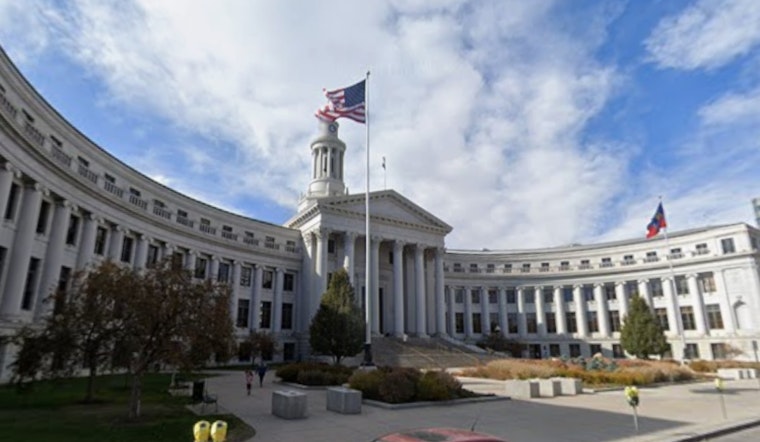
Denver City Council aides are banding together under a new banner, Legislative Workers of Denver, and say a strong majority of the roughly 40 to 50 legislative staffers have already signed union cards and asked the council for voluntary recognition. Organizers say the effort is aimed at getting everyone on the same page on pay and protections, keeping institutional knowledge from walking out the door every election cycle and finally putting formal grievance processes in writing after years of churn. If the group wins recognition or a formal election, it would be among the first city-worker bargaining units to operate under collective-bargaining rights that voters expanded in 2024.
Organizers say they already have the numbers
The union conversations started about a year ago, aides say, as staffers compared notes across the council’s 13 offices on job titles, schedules and benefits. Organizers estimate there are between 40 and 50 aides on the payroll at any given time and say a “significant majority” have committed to forming Legislative Workers of Denver, with enough signed authorization cards in hand to win an election, according to Denverite. Some aides are salaried and others are hourly, a split that organizers say feeds the uneven policies and expectations from one office to the next.
Why aides say they need a union
Aides told reporters they are working under a patchwork of job descriptions and conditions, with their livelihoods tied closely to whether their boss survives the next election. When councilmembers rotate out, staff often follow, taking years of experience with them. “We have a ton of institutional knowledge,” said aide Elise Bupp, who noted that organizers count more than 30 aides who have left since 2023, details reported by Denverite. They argue that clearer grievance procedures and standardized rules could slow that revolving door and make policy work at City Hall a more stable, long-term job.
How the 2024 vote opened the door
The union push is only possible because Denver voters approved a charter amendment in November 2024 that expanded collective-bargaining rights to roughly 7,000 additional city employees, according to Axios. That expansion, which took effect on Jan. 1, 2026, explicitly made groups like council aides eligible to organize or seek recognition. The ballot language also spells out what topics are off the table, how arbitration should work and which city offices fall under the new framework.
Statehouse precedent
Denver’s council aides do not have to look far for a playbook. Legislative staff at the Colorado statehouse organized in 2021 and won an open-model guild that helped them secure benefits and collective representation. Reporting from Colorado Public Radio describes how statehouse workers pressed for better pay, health coverage and more predictable hours, and how the guild structure gave them a seat at the table. That earlier campaign is the model many Denver aides say they want to follow as they push for formal processes and protections of their own, according to CPR.
Where this fits in Denver's wave of organizing
The aides’ union drive is part of a broader organizing streak inside Denver’s city government. Under the new bargaining rules, Denver Public Library workers filed authorization cards to form a union in early 2026, positioning themselves as one of the first big tests of the city’s updated labor framework. Several other city worker groups are reportedly gearing up for their own campaigns. Labor-focused outlet WNYLaborToday covered the library workers’ filing and its tight timing with the law’s effective date.
What happens next
Organizers say they have formally asked the City Council for voluntary recognition of Legislative Workers of Denver. If council leaders decline, aides can instead seek certification or a formal election using the procedures created by the 2024 charter change, according to Axios. If the council recognizes the union or the aides win at the ballot box, contract talks would move into the city’s existing bargaining process, involving Human Resources and designated labor staff. One of the tougher questions on the horizon is how negotiators will navigate the wide variation between council offices, where some aides are salaried, others are hourly and workloads can look very different from one district to the next.





