

























































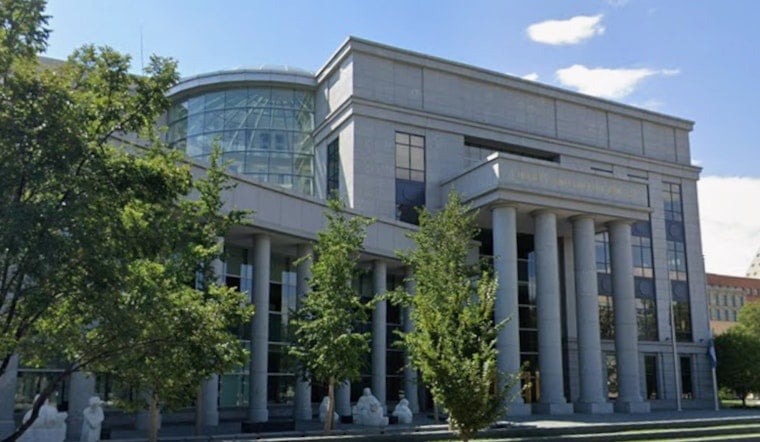
A Denver attorney has been ordered disbarred and told to repay roughly $600,000 after forging a client’s settlement and pocketing the money, according to a disciplinary agreement filed this week. The sanction strips him of his law license in Colorado, with the revocation set to take effect on July 20, and comes on the heels of a separate civil judgment tied to the same mess.
The Office of Attorney Regulation Counsel opened the case after investigators concluded the lawyer forged his client’s signature on a settlement agreement, attached a bogus notary seal, and then diverted the settlement proceeds for himself. As reported by BusinessDen, Presiding Disciplinary Judge Bryon Large approved the agreed punishment, which includes disbarment and roughly $600,000 in repayment.
How Colorado discipline works
In Colorado, attorney discipline typically starts when someone files a complaint with the Office of Attorney Regulation Counsel. That office investigates and, if it finds serious violations, can bring formal charges before the Presiding Disciplinary Judge. Sanctions range from private admonitions and temporary suspensions up to full disbarment, and decisions by the disciplinary judge can be appealed to the Colorado Supreme Court. The Office of Attorney Regulation Counsel notes that penalties are supposed to match the gravity of the misconduct and the harm to clients, not just serve as a slap on the wrist.
The client’s injury and civil case
The client at the center of the case, Dewayne Mascarenas, was assaulted outside a Capitol Hill nightclub in August 2019. Years later, he learned that his then-lawyer had quietly signed away a settlement in his name. According to BusinessDen, the forged settlement, dated 2022, used a fake notary signature. Mascarenas discovered the arrangement three years later during unrelated bankruptcy proceedings, then sued and won a civil judgment of about $590,000 in May 2026. The outlet also reports that the attorney had previously handled a smaller $6,500 payout with the nightclub, apparently while holding back larger settlement sums that never made it to his client.
What victims can do next
Clients who suspect something is off with their lawyer are not stuck. They can file a complaint with the Office of Attorney Regulation Counsel and, in some situations, ask for help from Colorado’s safety net for wronged clients. The state’s Attorneys’ Fund for Client Protection can reimburse certain losses caused by dishonest attorney conduct, although eligibility rules, time limits, and discretionary caps apply. Details on how to submit complaints and claims are available through the regulation office and its client-protection resources.
Legal exposure beyond discipline
On top of professional discipline, forging documents and presenting false paperwork can trigger criminal exposure under Colorado law. The state’s forgery statute, C.R.S. 18-5-102, treats forgery as a serious felony. Criminal cases, however, are handled by prosecutors and run on a separate track from bar discipline. Justia outlines how Colorado forgery law defines the offense and the penalties that can come with it.
With the disciplinary order now entered, the attorney is on his way out of the Colorado legal profession, while civil remedies and any potential criminal inquiries remain the remaining paths for the client. The case doubles as a warning shot to the bar and a reminder that ethics enforcement and client-protection systems are designed to work alongside civil courts in trying to make victims as whole as the law allows.





