

























































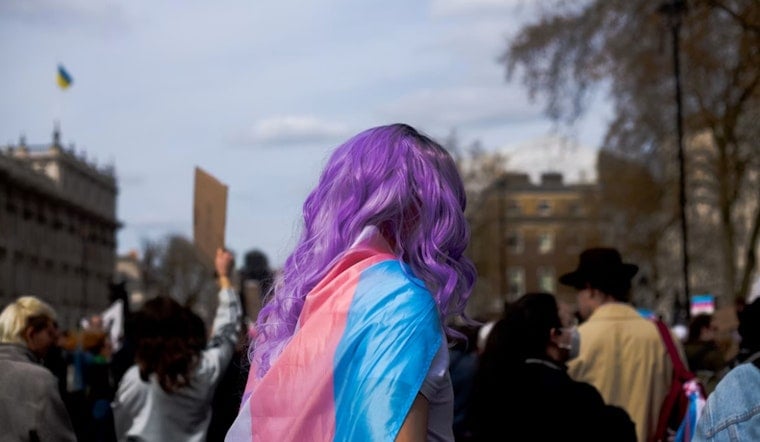
A downtown Denver rally this week doubled as a policy rollout, as local advocates and three city councilmembers laid out plans for a new ordinance they say is designed to act as a firewall for transgender residents facing growing federal and out‑of‑state pressure. The proposal would limit how the city collects and stores sex and gender markers and block Denver from sharing city resources or information that could be used to target transgender people. Organizers told the crowd they expect the measure to be formally introduced at the City Council next month.
The push is being led by the Bread & Roses Legal Center, which organizers say surveyed more than 500 transgender Coloradans while drafting the proposal. Councilmembers Shontel Lewis, Stacie Gilmore, and Sarah Parady are slated to sponsor the measure, according to Colorado Times Recorder. Z Williams of Bread & Roses told the outlet the campaign is meant to offer a model other cities could eventually copy to protect people at risk.
What the ordinance would do
Under the draft, Denver would be barred from cooperating with federal agencies or sharing city‑held data when those tools are used to carry out policies that single out transgender people. Organizers say it would also strip out “some unnecessary documentation” of sex and gender from city records. Ashley Cordero, an attorney with Del Pueblo Law who helped write the language, told Colorado Times Recorder the proposal “mirrors similar protections” Denver has already extended to immigrant residents.
Why organizers say it’s needed
Backers of the ordinance are pointing to recent data and policy fights beyond Colorado’s borders. A survey from the Movement Advancement Project found that nearly one in 10 transgender adults reported moving to another state because of anti‑LGBTQ laws and politics, a pattern organizers say shows how policy can literally push people out of their homes, according to the Movement Advancement Project. They also cited state‑level crackdowns, including a Kansas law that revoked some gender‑marker changes on identification documents, as examples of how identity data and government policy can collide with day‑to‑day life, as reported by USA TODAY.
Local precedent and legal questions
Denver has already been testing how far the city can go in setting local ground rules around enforcement. Earlier this year, the council advanced a measure that would require officers, including federal agents, to remove facemasks and wear visible identification during arrests. That effort sparked debate over preemption and how such a rule would actually be enforced, highlighting both the appetite for local protections and the kinds of legal questions the new trans‑safety ordinance could trigger, as reported by Denverite.
Supporters describe the latest draft as defensive, arguing it is meant to protect privacy and safety while federal actions and court battles continue. Opponents, they acknowledge, are likely to probe its limits in committee hearings and potentially in court.
Next up is the formal filing process and committee referral at City Council. If introduced in July, the ordinance will move into public hearings where legal analysts, city staff, and community members can dig into the details. For the advocates who spent months shaping the language, the aim stays simple even as the politics get complicated: build a local firewall for Denver residents against policies that they say would otherwise expose and endanger people who are already navigating hostile laws elsewhere.





