

























































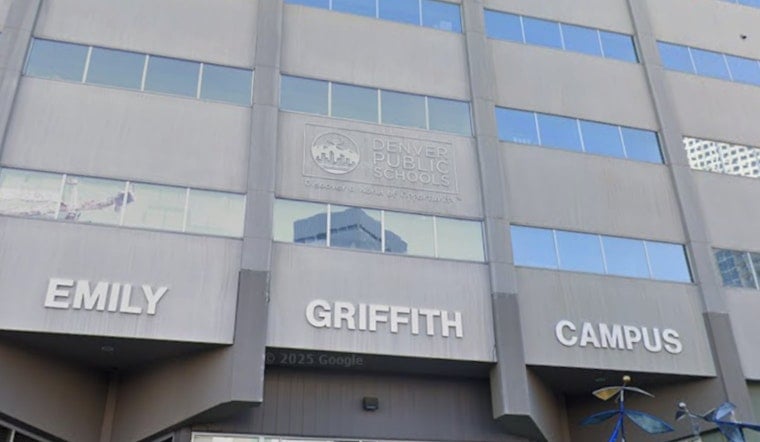
As the National Education Association prepares to descend on Denver next month for a high-stakes leadership vote, a growing number of local teachers are zeroing in on a touchy subject: where their dues really go. The simmering debate boiled over after a Denver Public Schools music teacher used a hometown op-ed to connect a New Jersey lawsuit over political spending to unease in Colorado classrooms.
In an opinion piece for the Denver Gazette, Denver Public Schools music teacher Priscilla Rahn argued that teachers "are not political piggy banks" and spotlighted the claims of Ann Marie Pocklembo, a New Jersey teacher suing her state union. Rahn wrote that she left the Colorado Education Association after concluding it had shifted its focus from classroom priorities to political activism. Her column highlights a local worry: if state affiliates are channeling dues up the chain, members may be unintentionally bankrolling political campaigns.
The lawsuit at the heart of the controversy, filed with assistance from the Fairness Center, claims the New Jersey Education Association directed more than $40 million in mandatory member dues into a political network that supported then-NJEA president Sean Spiller’s 2025 run for governor. Plaintiffs Marie Dupont and Ann Marie Pocklembo say the money moved through a committee called Garden State Forward and then into other groups that spent on the race. The complaint asks a court to order a full accounting of dues and seeks damages tied to what the teachers describe as misrepresentations and a breach of fiduciary duty.
Public filings and independent reporting trace major transfers from Garden State Forward into a super PAC and additional organizations that handled advertising and voter outreach for the campaign. Tools from ProPublica and state-level coverage have detailed the size and timing of those transfers, drawing the attention of watchdog groups and fueling further reporting. Critics say the episode raises broader questions about how unions disclose political spending and whether members were clearly informed about how their money would be used.
Why Colorado teachers are watching
For Colorado educators, the story is not just an East Coast drama. The president of the Colorado Education Association has publicly endorsed Sean Spiller for NEA president, which gives the New Jersey dispute immediate resonance in Denver. Spiller’s campaign site, Spiller for NEA, lists CEA President Kevin Vick among his supporters, and an analysis from the Rocky Mountain Voice shows that the CEA and its affiliated committees have directed substantial money into state and local races over the last decade. That blend of homegrown funding and national influence has teachers asking for a far more detailed accounting of how each dues dollar is carved up.
What the lawsuit asks and possible fallout
The New Jersey lawsuit seeks an accounting of union finances and alleges breach of fiduciary duty and misrepresentation. Filings from the Fairness Center also note related complaints lodged with election and tax authorities. Public reports, including an analysis from the Sunlight Policy Center, argue that some transfers were not clearly disclosed on tax filings or campaign reports, prompting watchdogs to ask regulators to dig in. While the case could eventually force new enforcement actions or changes in reporting practices, observers caution that lawsuits like this typically crawl through the courts at a teacher-conference pace, not a TikTok-scroll speed.
What members can do now
For Colorado teachers nervous about their money mixing with politics, there are some immediate tools at hand. State reporting has highlighted an annual deadline to request a partial refund of EMO (Every Member Option) contributions, and the union’s own materials spell out how optional political deductions are separated from baseline dues. Complete Colorado and the Colorado Education Association both lay out the timelines and mechanics for refunds. Members who want deeper transparency or policy changes can push local leaders, use internal union governance channels, or keep an eye on the New Jersey litigation for any precedent that might spill westward.
With NEA delegates set to gather in Denver next month, local educators say they plan to watch closely and keep pressing for clearer books. Their bottom line is simple: they want dues to fund classrooms first and politics, if at all, a distant second.





