

























































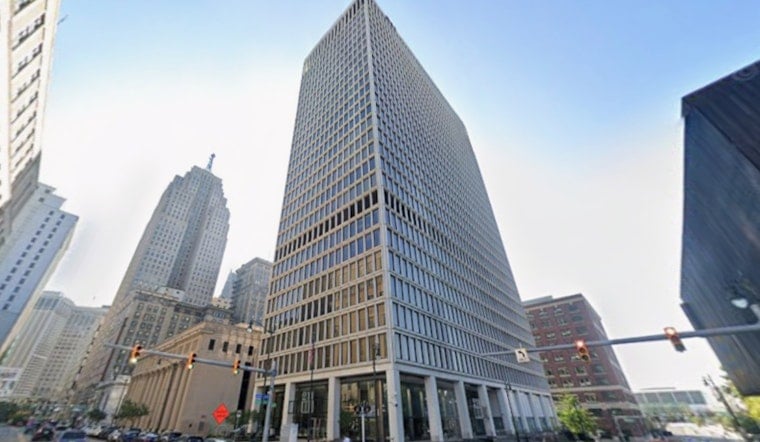
A high-stakes federal showdown in Detroit could determine whether key evidence in the case against former University of Michigan co-offensive coordinator Matthew Weiss ever reaches a jury. During a roughly 90-minute pretrial hearing on Thursday, lawyers squared off over whether prosecutors relied on material the defense says was unlawfully obtained. U.S. District Judge David M. Lawson wrapped the session without issuing an immediate ruling, leaving both sides waiting on a decision that could sharply limit what the government can use at trial.
Judge Signals Lengthy Review Of Suppression Motions
Lawson told attorneys he has 30 days to sort through the suppression motions and signaled that it will likely take weeks to decide whether to keep or toss the challenged material, according to The Detroit News. The hearing centered on how prosecutors gathered their evidence and whether any of it crossed legal lines, with both sides treating the dispute as pivotal to the shape of the eventual trial. Lawson declined to rule from the bench and instead took the motions under advisement.
Defense Says Key Files Were Illegally Obtained
Weiss’ attorneys pressed the judge to throw out what they describe in court filings as “illegally obtained” material, arguing that letting it in would unfairly tilt the playing field and undercut Weiss’ right to a fair trial, per The Detroit News. Prosecutors pushed back, insisting the disputed evidence is central to showing the breadth of the alleged scheme and should be available to jurors. By the time the roughly 90-minute hearing wrapped up, Lawson had issued no rulings on what will ultimately be off limits at trial.
Case Background And Court Calendar
Weiss, who previously coached at Michigan and in the NFL, faces 14 counts of unauthorized access and 10 counts of aggravated identity theft, according to the U.S. Attorney’s Office for the Eastern District of Michigan, which also lists the pretrial motion hearing as rescheduled to June 11 and outlines upcoming dates on the federal docket. Prosecutors say Weiss accessed databases run by a third-party vendor and used account credentials to pull private photos and other personal data belonging to thousands of student athletes, as previously reported by ABC News.
Legal Stakes And Next Steps
If Lawson ultimately throws out significant portions of the contested material, prosecutors could lose evidence that supports some of the aggravated identity theft counts, a risk defense attorneys have flagged in filings that accuse the government of trying to “turbocharge punishments for routine computer trespass,” a critique outlined by ABC News. Weiss’ legal team argues that treating what they describe as routine account access as aggravated identity theft would trigger two-year mandatory minimums for each alleged act and drive potential prison time sharply higher. With all sides now in a holding pattern, they will wait on Lawson’s written ruling, which he indicated could take weeks and which will determine whether the case moves toward trial with the current charges and evidence largely intact or in a significantly trimmed-down form.





