

























































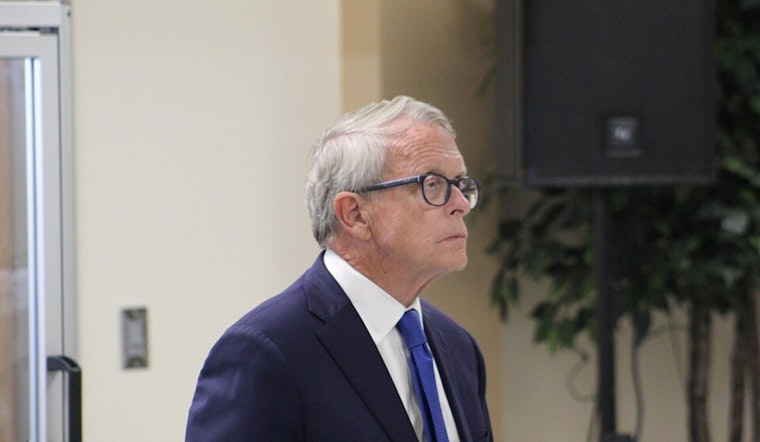
Gov. Mike DeWine has ordered Ohio State Highway Patrol troopers to provide security for both major-party nominees in the 2026 governor's race: Republican Vivek Ramaswamy and Democrat Amy Acton. The patrol says the protection details began in early May as both campaigns ramp up travel and public appearances ahead of the fall election. The decision follows a stretch of security headaches around the campaigns that have stirred questions about vetting, cost, and who should be on the hook for candidate protection.
Patrol calls new details standard practice
As reported by Cleveland.com, Sgt. Tyler S. Ross of the Ohio State Highway Patrol said in an email that the assignments, which began May 6, are "standard practice" for high-profile public officials. The patrol declined to say how many troopers are assigned or disclose schedules, arguing that specific information could pose security risks. According to the same reporting, spokespeople for DeWine and Acton did not immediately provide comment.
Ramaswamy's private security troubles spill into public view
Before the state stepped in, Ramaswamy's campaign had leaned on a private security firm. That setup unraveled after a high-profile personnel issue. The Associated Press reported that a man who worked as a bodyguard for the Ramaswamy family was arrested on federal drug-trafficking charges in late 2025, and campaign spokespeople said the outside firm removed him from the detail. Reporting that raised additional licensing questions about the vendor helped push campaign leaders to move away from that contractor.
Acton's earlier threats and the security firm crackdown
Amy Acton, who served as Ohio's director of public health during the pandemic, has already been through the state security gauntlet once. She was assigned a state security detail in 2020 after protesters gathered outside her home, according to public radio reporting. Per WOSU, that detail came amid a wave of threats and protests that year.
Local reporting also shows that the private security company once contracted to protect Ramaswamy, ARK Protection Group, lost its state registration after inspections, and that Ramaswamy posted on X showing state-provided protection while leaving Rocket Mortgage FieldHouse on May 25, 2026. Cleveland.com reviewed those records and campaign messages.
Proposed bill would pump $10 million into campaign security
Lawmakers at the Statehouse are trying to get ahead of the money question. Senate Bill 308 would appropriate about $10 million over the next 18 months so the Ohio State Highway Patrol could provide security for gubernatorial nominees and other covered officials, according to the bill text. Public media reports say the measure has bipartisan cosponsors and Gov. DeWine's support, although it has not moved out of committee yet. The bill text is available on LegiScan, with local reporting supplying additional context.
Secrecy, spending and what the law allows
How much the state is actually spending on these details may be harder to pin down than watchdogs would like. In 2024, the Ohio Supreme Court ruled in a 4-3 decision that certain security expense records related to the governor's 2022 Super Bowl trip are not public records, a decision covered extensively by the Cincinnati Enquirer. That ruling set a precedent that narrows what the public can see about security spending.
The patrol's authority to provide security is spelled out in the Ohio Revised Code. Statutes outlining the highway patrol's powers let the superintendent assign troopers to protective duties, but it is appropriations and policy choices that ultimately determine who receives state-paid protection. See Section 5503.02 of the Ohio Revised Code for the statutory language.
What to watch as the campaign road gets bumpier
As the primary winners pivot to the fall, a few questions will hang over the motorcades. Watch whether the patrol's role grows, whether Senate Bill 308 starts moving, and whether officials release any line-item costs tied to candidate details. For now, the patrol describes the assignments as routine. The politics of security, along with the budget and transparency fights that come with it, are likely to trail both campaigns all the way to November.





