

























































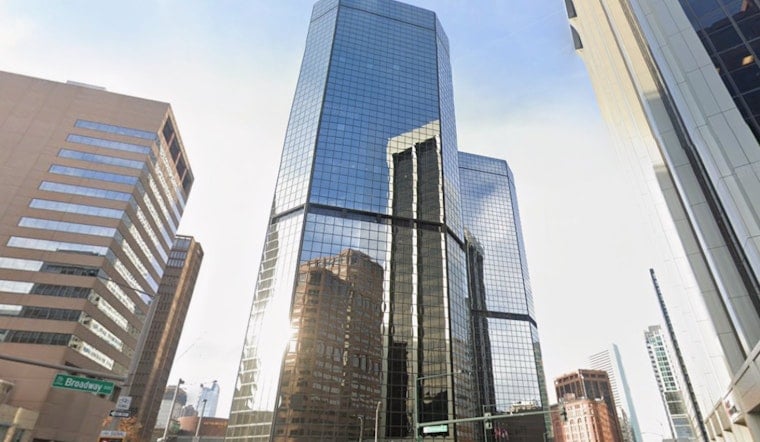
One of downtown Denver’s emptiest high-rises may be in line for another taxpayer-backed rescue. The Luzzatto Company, already behind one of the largest recent public loans in the city’s core, is asking Denver for roughly $29 million from the Downtown Development Authority to help overhaul a second tower at the largely vacant Denver Energy Center on Broadway. The pitch highlights just how central public financing has become to big office-to-residential conversions in the city’s urban core.
According to the Denver Business Journal, Luzzatto’s application seeks about $29 million in DDA support to kick-start conversion work on the second Energy Center tower, with the complex reportedly running at less than 15% occupancy. Concept plans tied to the request outline the potential for hundreds of new apartments, which would add a sizable chunk of housing to downtown’s inventory if the deal comes together.
The Luzzatto Company bought the twin towers late last year for roughly $5.25 million, a fraction of what the property once fetched, according to BusinessDen. Early concept filings with the city call for turning one tower into several hundred residential units while updating the other for modern office use, permitting details reported by Developing Denver show.
DDA Has Backed Luzzatto Before - With Limits
Earlier this year, the Downtown Development Authority signed off on a $63 million low-interest loan for Luzzatto’s High Fidelity Plaza project at 621–633 17th Street, the largest award the authority has approved so far, the Denver Gazette reported. Mayor Mike Johnston cast that financing as part of a broader effort to make the city center feel more like a neighborhood than a nine-to-five zone, saying in a news release quoted by the Gazette, "A vibrant downtown is one where working families can afford to live and where they feel safe doing so."
That High Fidelity Plaza vote showed the DDA is willing to underwrite large adaptive-reuse bets when staff and board members see enough public benefit and a credible path to repayment. Still, analysts caution that skyrocketing conversion costs, required code upgrades and stubborn financing gaps mean public loans are often a necessary, not optional, piece of the puzzle, according to reporting from The Colorado Sun.
What Happens Next
The new Luzzatto request will be vetted under the Downtown Development Authority’s Plan of Development, which lays out who can qualify, how projects are scored and how tax-increment and other public financing tools can be deployed, according to city documents. Staff and the DDA board are expected to weigh the proposed public benefits, the risk of not getting paid back and how convincingly the project can draw long-term tenants before deciding whether the roughly $29 million ask should move forward.





