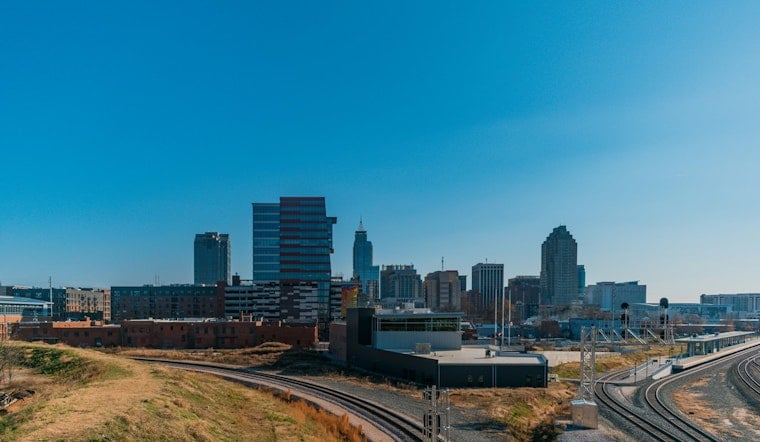
Raleigh is getting a small but hard-fought batch of new affordable homes near the heart of downtown.
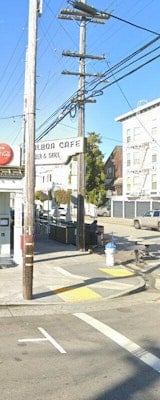
On Tuesday the Raleigh City Council signed off on nearly $1.24 million in funding and a long-term land lease to support construction of 28 affordable rental homes on city-owned land near East and Cabarrus streets. The development is aimed at households earning roughly 30% to 60% of the area median income, with eight of the homes reserved for people with disabilities earning under 50% AMI. Local Post, a Triangle-based property management company, is listed as the developer.
Council vote and project details
As reported by WRAL, the council’s vote authorized nearly $1.24 million in city support along with a long-term ground lease for parcels around East Street and Cabarrus Street. According to the outlet, residents must earn between 30% and 60% of the area median income to qualify, and eight units will be set aside for people with disabilities making less than 50% AMI. WRAL also identifies Local Post as both the project’s developer and future manager.
Where this fits in Raleigh's housing push
This latest move is one of several approvals the council has advanced this spring to add income-restricted homes in Raleigh. The City of Raleigh notes that in April the council authorized nearly $9.9 million to support 491 affordable rental homes across five developments.
As outlined by the City of Raleigh, those projects plug into the city’s 2026–2030 Consolidated Plan, which sets multi-year goals for creating and preserving affordable housing. City staff say the strategy layers public financing, land tools and private development to stretch limited subsidy dollars as far as possible.
Housing and Community Development Director Emila Sutton told the city that “Across Raleigh, these projects show what progress looks like,” casting the approvals as incremental but tangible steps in a longer-term effort to expand the affordable supply. City of Raleigh officials have emphasized pairing site selection with transit access and services so new units connect residents to jobs, groceries and health care.
Policy tools and local context
Raleigh has also tweaked its land-use rules to encourage affordable housing near frequent transit. Axios reported that the city’s density-bonus program lets developers trade extra height or density for income-restricted units. The outlet notes the policy was updated in 2022 and is already being used on other projects as a way to concentrate affordability along frequent-transit corridors.
Local coverage has tracked how the city mixes bond funds, long-term leases and developer commitments to make small downtown projects pencil out. For an example, see coverage of a similar Duplex Village project.
The council did not announce a construction timeline for the East and Cabarrus site, and developer plans, permitting and financing must still be finalized before work can start. Advocates and housing staff say that while small-site downtown deals add badly needed units in the short term, Raleigh will need a sustained mix of public financing tools and land strategies to keep pace with demand.