

























































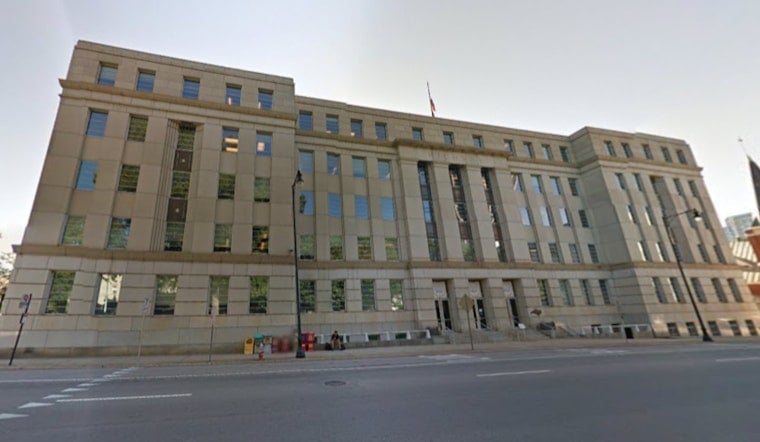
On Friday, June 19, 2026, the North Carolina Supreme Court agreed to take up Rockingham County’s appeal of a lower court ruling that allowed neighbors to challenge a 192 acre rezoning tied to a proposed casino. The decision sends a long running local land use fight, and a test of who has standing to sue over zoning changes, to the state’s highest bench.
The high court issued an order Friday agreeing to hear the county’s appeal, and Justice Phil Berger Jr. did not participate in the decision because his brother, Kevin Berger, serves on the Rockingham County commission, according to WBT Charlotte's News Talk. The station reports the order was filed on the appellate court site and asks the Supreme Court to review whether the Court of Appeals erred in allowing the case to proceed.
How the appeals court ruled
According to the Court of Appeals' July 16, 2025 opinion, the panel reversed the dismissal and found neighbors had plausibly alleged injuries that gave them standing to challenge the rezoning; the opinion is available from the North Carolina Court of Appeals. The court said plaintiffs challenging legislative zoning changes were not required to allege special damages separate from the community at large.
What the county changed
Rockingham County adopted two amendments in mid 2023: a map amendment reclassifying a 192.74 acre parcel in Stokesdale from “residential agricultural” to “highway commercial,” and a text amendment that broadened permitted uses in highway commercial districts to include “state licensed uses,” among them electronic gaming operations, according to Carolina Journal. The change converted a long list of formerly restricted activities, from dry cleaning plants and hotels to hospitals, fairgrounds and hazardous waste facilities, into uses allowed by right on the parcel. Plaintiffs and critics say that removing special use permits and development standards effectively cleared regulatory hurdles that would otherwise limit large developments there.
Who sued
The lawsuit, filed in October 2023, names Camp Carefree, a summer camp for children with chronic illnesses, the Kalo Food bakery and several neighboring property owners as plaintiffs challenging the two UDO amendments, according to the North Carolina Court of Appeals. The opinion describes plaintiffs’ affidavits and the procedural history of the county approvals. The appeal is cataloged as COA24-666.
Neighbors' concerns
Plaintiffs say the rezoning will increase traffic, light and noise, threaten private wells and trespassing, and harm operations at Camp Carefree; the camp’s managing board member and the bakery owner supplied affidavits describing those risks, according to WXII. Local coverage captured residents’ fears that the change would open the door to a casino and other industrial uses near homes and community facilities. Those complaints formed the core of the plaintiffs’ contention that they would be directly and negatively affected by the amendments.
County's legal push
Rockingham County asked the state Supreme Court to overturn the appeals panel, filing a petition for discretionary review that argued the Court of Appeals wrongly removed the special damages requirement, according to Carolina Journal. County attorneys warned that the appeals court’s holding could invite broad litigation over local zoning decisions if neighbors could sue without alleging distinct, individualized harm. The county’s petition presses the high court to reimpose the prior standard and narrow standing for legislative zoning challenges.
What happens next
By agreeing to hear the appeal the Supreme Court will decide whether the appeals court correctly applied standing law to a legislative rezoning; justices will set a briefing schedule and may hold oral argument before issuing an opinion, WBT Charlotte's News Talk reported. If the Supreme Court declines review the case would return to a trial judge for further proceedings, including discovery and possibly a trial. No timetable has been published yet for when the high court will rule on whether to accept the case.
Legal stakes
The central question is whether neighbors must show special damages to challenge a county’s legislative rezoning, a ruling could either widen or narrow citizens’ access to courts on land use questions. Legal coverage notes the appeals court relied on recent precedents such as Gardner v. Richmond County in reaching its decision; see reporting from NC Lawyers Weekly for analysis. The Supreme Court’s ultimate ruling could shape land use litigation strategy across North Carolina for years to come.
For Rockingham neighbors, the Supreme Court review is a high stakes pivot: a ruling for the plaintiffs could make it easier for nearby residents to challenge zoning changes, while a decision for the county could tighten barriers to those suits. We’ll monitor filings and the court calendar and update this story when the high court sets review dates or issues an opinion.




