

























































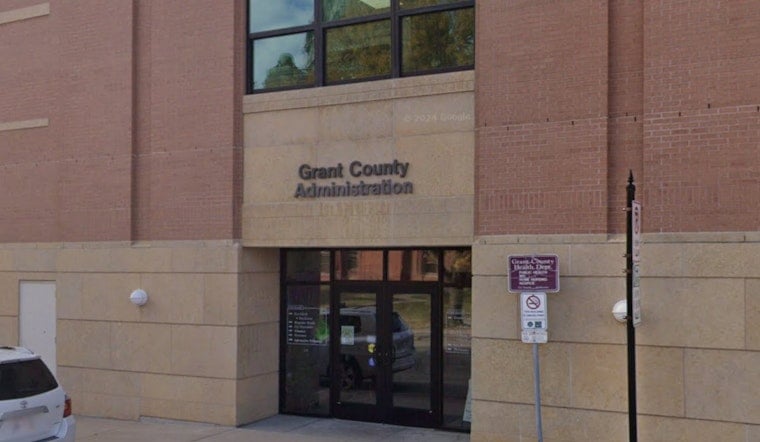
The billion-dollar buzz around a proposed data center in Grant County, Wisconsin has gone quiet, fast. Out-of-state developers who once talked up a sprawling, high-tech campus near the Cardinal-Hickory Creek transmission line have stopped returning calls, leaving local officials with a ghosted mega-project that had promised dozens of permanent jobs and millions in property taxes before it ran into a wall of hometown resistance and a brewing fight over who pays for new power.
Ron Brisbois, director of the Grant County Economic Development Corp., says he first started working the prospect on Nov. 6 and shared details publicly at the group’s Dec. 3 meeting. According to Brisbois, the developers floated a roughly 500-acre campus with a price tag between $1 billion and $2 billion, about 50 permanent jobs, and an estimated $5.5 million a year in property-tax revenue, as reported by Wisconsin Watch.
Local opposition mobilized quickly
Word of the project spread, and so did opposition. A Facebook group called “No Data Centers In The Driftless” became the organizing hub, and by March 8 a rally featuring comedian Charlie Berens drew hundreds of residents who were not exactly rolling out the welcome mat. The town of Cassville responded with a moratorium on data centers, and several nearby town boards, along with the Grant County Board, followed with their own pauses on data-center approvals, as reported by Urban Milwaukee.
Who pays for power became a dealbreaker
While locals were marching, regulators and utilities were wrestling with the project’s other big question: the power tab. A central dispute broke out over whether everyday ratepayers should subsidize the new generation and transmission needed to serve hyperscale data centers. In April, the state Public Service Commission revised We Energies’ proposed tariff so that large data centers would be on the hook for bespoke generation and transmission instead of shifting those costs onto other customers. Hundreds of public comments in the PSC case flagged worries about rising electric bills and environmental strain, as reported by WUWM.
Developers pressed for incentives, then went quiet
Behind the scenes, the developers were also probing how sweet the local deal could get. Brisbois says they asked about incentives such as a tax-increment financing district and met with the Department of Natural Resources on March 19 to talk permits. They were reportedly enthusiastic about a state sales-tax exemption for data centers. Then, after that brief flurry, the momentum simply evaporated: calls stopped being returned and the proposal went, in Brisbois’ words, “dead quiet,” as reported by Wisconsin Watch.
Rural tradeoffs: water, wells and wildlands
Residents were also looking beyond the tax base and asking what a giant data hub would mean for the landscape. The proposed site sits near the 1,450-acre Eagle Valley Nature Preserve and in an area where many households rely on private wells, prompting fears that heavy cooling and power needs could draw down groundwater and strain local infrastructure. University of Wisconsin Extension materials and recent analyses note that hyperscale data centers’ energy and cooling demands can put serious pressure on rural water supplies and local utilities, a challenge many small communities are only starting to plan for; see University of Wisconsin Extension.
For Brisbois, the whole saga was a bruising civics lesson. He has acknowledged doing “very little due diligence” on the out-of-state development team, even as he maintains that the region still holds real economic potential. For opponents, the fizzled deal is now a case study in how grassroots organizing, local moratoriums and hard-nosed regulatory scrutiny can reroute, or outright halt, even the flashiest-sounding proposals. And for the moment, the developers’ silence has left Grant County with clearer expectations for how future pitches should be vetted and who, exactly, should foot the bill, as reported by Urban Milwaukee.




