

























































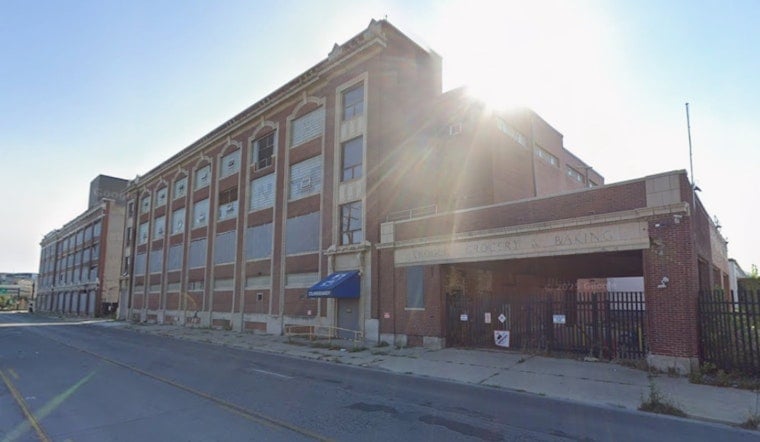
Construction crews have officially rolled into the long-vacant Kroger bakery and the neighboring former Ford assembly plant on Cleveland Avenue, signaling the long-awaited start of a major mixed-use overhaul that will convert the century-old brick warehouses into housing and hospitality space. The high-profile site on the north edge of downtown has been the subject of talk and speculation for years, and now it is finally tipping from planning into active construction.
As reported by Columbus Business First, work is underway, and the development is pegged at roughly $155 million. The outlet notes that the corner building at 457 Cleveland Ave. is specifically included in the renovation plans, a key piece in stitching the overall project together.
Who’s Behind The Project And What’s Planned
A local developer team of Casto Communities, the Kelley Cos., and The Robert Weiler Co. is steering the redevelopment, having acquired the complex after Kroger shut down the bakery in 2019 and then shepherded a mixed-use vision through city review. Plans submitted to city agencies call for preserving and rehabilitating the existing bakery and assembly structures and pairing them with new construction, with the goal of delivering several hundred apartments along with office space and ground-floor retail, according to Columbus Underground.
State Backing And Project Costs
The Ohio Department of Development included the Kroger Bakery complex in its June 2024 historic tax credit awards, listing total project costs at $171,888,364 and citing a $10 million historic preservation tax credit tied to the rehab. That figure does not match the local business estimate, but together the filings and reporting sketch out a picture of substantial public incentives paired with significant private investment, as per the Ohio Department of Development.
Developers also secured brownfield and remediation support to get the industrial site into buildable shape. Reporting from WOSU details earlier state remediation grants and cleanup work focused on asbestos removal, soil management, and groundwater controls, all framed as must-do steps before vertical construction and tenant build-outs could proceed.
Historic Buildings, Local Debate And Approvals
The brick warehouses date back to the 1910s and 1920s, with one structure first serving as a Ford assembly plant before folding into Kroger’s bakery operations, and preservation advocates had flagged the complex as endangered after production ceased. Neighborhood voices and industrial stakeholders spent years debating issues like compatibility and truck traffic during the approval process, which ultimately resulted in rezoning and amended development text that cleared the way for the mixed-use plan, according to Columbus Landmarks.
What To Watch Next
City records show the property has already been rezoned and the development text adjusted in recent years to tweak unit counts, parking requirements, and the mix of commercial uses, so the next chapter will play out in site-compliance filings and building permits as the project moves forward. With crews now on the ground, near-term milestones include continued environmental work, structural upgrades to the historic buildings, and the start of new construction for the apartment and hospitality components, as per the City of Columbus.





