

























































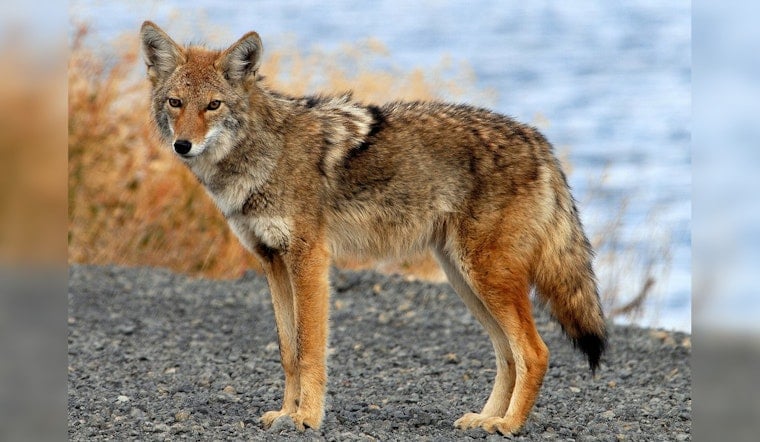
Bold coyotes are getting a little too comfortable in West Seattle, with three more residents reporting unnervingly close encounters this week: a near‑dusk sidewalk shadowing, an early‑morning yard cameo caught on video, and a clear photo snapped in Seaview.
One neighbor told reporters a large coyote followed her two dogs for about two blocks along 46th, staying close enough to raise the hair on the back of everyone’s neck. Another resident shared a photo taken in Seaview, while a third submitted security‑camera footage from near 31st and Myrtle around 4 a.m. Neighbors said the animal in the video looked strikingly unconcerned about nearby cars or people.
According to the West Seattle Blog, the latest batch of submissions includes a Seaview snapshot from Lynne, a written account from "KS" describing how the coyote “followed my dogs and I south down 46th for about 2 blocks,” and a YouTube clip recorded at Diane’s house near 31st and Myrtle. The blog published the reader notes and the video Wednesday night.
What the state says about coyote behavior
Per the Washington Department of Fish & Wildlife, coyotes often return to the same den year after year, and food availability in an area — anything from rodents to unattended pets — plays a big role in whether they stick around a particular neighborhood. The agency warns that coyotes that learn to get food from people can become unusually bold and outlines several steps to avoid that kind of habituation.
Not an isolated pattern
These latest sightings are part of a longer, uneasy trend this spring. West Seattle has already seen a string of reports, including April incidents covered in Coyotes Crash West Seattle Yards, which detailed yard incursions and missing backyard chickens. Those earlier accounts, along with this week’s close passes on neighborhood streets, fit into a wider pattern of urban coyotes moving through residential corridors where parks and greenbelts meet backyards.
How neighbors can reduce conflicts
Wildlife officials urge residents to cut off the free buffet. That means securing attractants by bringing pets indoors at dawn and dusk, removing outdoor pet food, sealing compost bins and housing small animals in predator‑proof enclosures. The department also recommends “hazing” — making loud noise, waving arms or squirting water from a hose — to re‑establish a healthy wariness of people. Any coyote that acts aggressively or injures a person or pet should be reported to WDFW Dispatch at 360–902–2936.





