

























































A federal appeals court has sharply criticized the Xenia Community Schools board for cutting off a public speaker and has ordered an injunction to protect her right to speak. The ruling brands the move as an unconstitutional heckler's veto and is likely to ripple through how school districts handle heated, noisy public meetings.
In an opinion filed June 10, a three-judge panel of the U.S. Court of Appeals for the Sixth Circuit found that Board President Mary Grech seized speaker Darbi Boddy’s microphone amid boos from the audience and then recessed the meeting, cutting off the five minutes she was allotted for public comment. The panel reversed a federal district court and instructed the lower court to enter a preliminary injunction, according to the Sixth Circuit.
Boddy, a conservative activist and former member of the Lakota Local Schools board, has long been a controversial figure in local education politics. During her Lakota tenure, she proposed an anti-trans sports ban and was later removed from that board amid absences and other disputes. The district handled her departure through a vote to declare her seat vacant, according to FOX19.
The Sixth Circuit rejected the Xenia board’s claim that it was simply enforcing neutral rules of "decorum." The judges pointed to testimony and video that, in their view, undercut that explanation and suggested Grech’s threat to cut off the microphone may actually have helped stir up the crowd. The opinion explains that a heckler’s veto can apply even in a limited public forum such as a school board comment period and that officials cannot disguise viewpoint discrimination as an effort to keep order. The Sixth Circuit ordered the case reversed and remanded for entry of a preliminary injunction.
Implications For School Boards
For districts that habitually shut speakers down as soon as the room turns hostile, the message is clear: it may be time to retrain presiding officers, rewrite decorum rules, and rethink how security manages disruptive audiences without silencing disfavored viewpoints. Legal commentary notes that the panel extended the heckler's veto doctrine into limited public forums, warning that treating audience reaction as the final gatekeeper for what can be said risks unconstitutional viewpoint discrimination, according to CaseMine.
What Comes Next
The Sixth Circuit sent the case back to the U.S. District Court for the Southern District of Ohio with instructions to enter the preliminary injunction and preserve Boddy’s ability to use public comment time at future meetings. The appeal is docketed as No. 25-3490, and the underlying district court case remains active as No. 3:24-cv-327, according to court records on Justia.
Legal Note
Boddy brought her case under 42 U.S.C. § 1983, alleging a violation of her First Amendment rights. The Sixth Circuit concluded she had shown a likelihood of success and irreparable harm, the key benchmarks for winning preliminary injunctive relief in free-speech disputes. Free-speech scholars say the ruling reinforces that public bodies must handle rowdy audiences by restoring order, not by cutting off the speaker, as discussed in commentary at Reason.
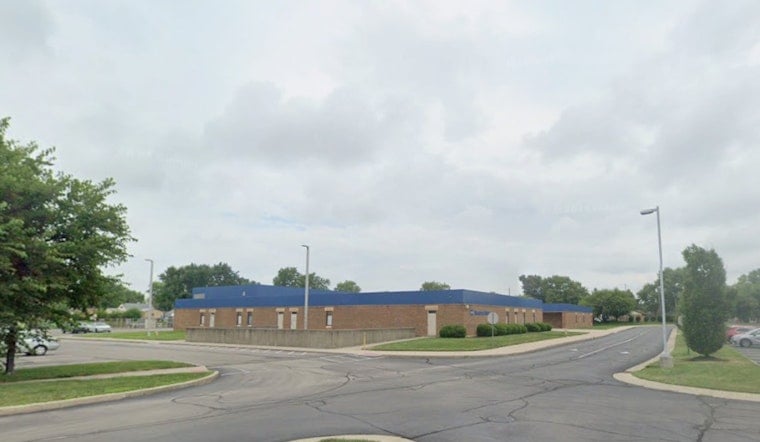
The Xenia district holds its board meetings at the Board of Education office at 819 Colorado Drive, and it posts meeting agendas and video archives on the district website. Additional coverage of the ruling and local reaction is available from The Cincinnati Enquirer.





