

























































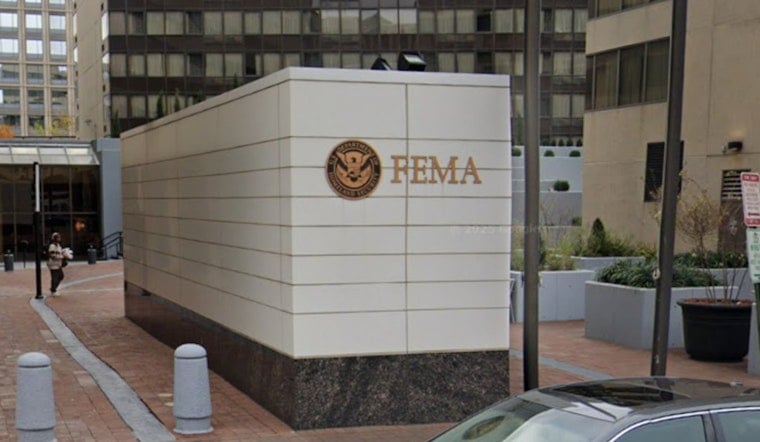
Federal officials are lining up roughly $1.44 million in pre-disaster mitigation funds for Hawaiʻi, money that could give Oʻahu a leg up the next time fires, floods or earthquakes come calling. The earmark would help pay for a statewide hazard-monitoring and wildfire-detection system and mobile generators for the Honolulu Fire Department. Now it is on local agencies and municipalities to hustle through FEMA’s application steps if they want to claim their slice. The goal, officials say, is to spot trouble earlier and keep critical services running when the power goes dark.
Where the Money Comes From
The awards are part of the Fiscal Year 2026 Pre-Disaster Mitigation Congressionally Directed Spending package, a $189,713,659 list of 125 projects nationwide, according to the opportunity posted on Grants.gov. The posting shows the program opened on June 22 and sets a firm application deadline of July 22, 2026 at 5 p.m. Eastern, and notes that all subapplications must be submitted through FEMA Grants Outcomes, also known as FEMA GO.
What Hawaiʻi Is Set To Receive
Appendix I of FEMA’s Notice of Funding Opportunity lists two Hawaiʻi projects: $1,125,000 for the Agribusiness Development Corporation to deploy a Hazard Monitoring and Wildfire Detection System, and $315,000 for the Honolulu Fire Department to procure mobile generators. The NOFO spells out that these are congressionally directed line items and that FEMA will only obligate funding after confirming eligibility and cost-share requirements.
How To Apply
Eligible applicants, typically state and local governments and federally recognized tribes, must file subapplications in FEMA GO. The Grants.gov opportunity page includes the NOFO and an application checklist. Applicants should be ready to document a FEMA-approved hazard mitigation plan and the non-federal match that will be required if they are selected.
Why It Matters For Hawaiʻi
Congress authorized the specific Hawaiʻi line items in the FY2026 Homeland Security appropriations explanatory statement, which lists the island entries, and local reporting first flagged the awards for island audiences. Local emergency management leaders point to early-warning sensors and reliable backup power as tools that can reduce damages and speed up responses when wildfires, floods or other hazards hit. If subapplicants clear FEMA’s benefit-cost, environmental and eligibility reviews, the projects could move from planning to construction later this year.





