

























































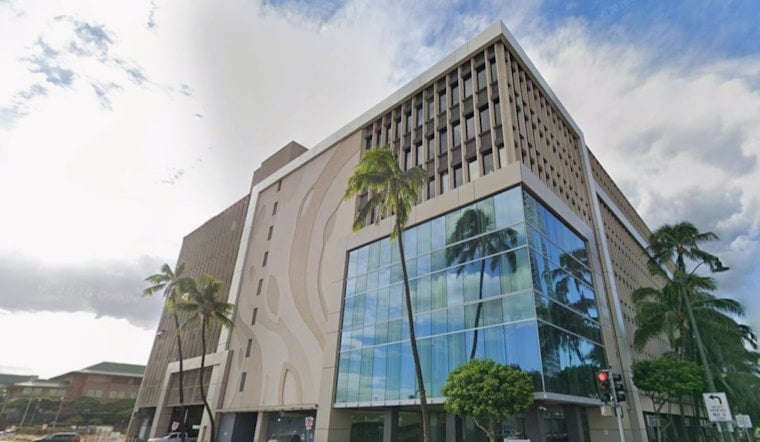
Nearly $25 million in new federal cash is headed to Native Hawaiian health centers statewide, with Papa Ola Lōkahi locked in for a $10 million share and five island-based systems splitting the rest. The money is designed to bolster primary care, disease prevention and health-education services for Native Hawaiian communities on Maui, Molokaʻi, Kauaʻi, Hawaiʻi Island and Oʻahu.
Where the Money Will Go
According to HRSA, the awards break down as follows: $3,088,269 for Hui No Ke Ola Pono (Maui); $2,530,712 for Nā Puʻuwai (Molokaʻi); $3,246,769 for Hoʻōla Lāhui Hawaiʻi (Kauaʻi); $3,001,484 for Hui Mālama Ola Nā ʻŌiwi (Hawaiʻi Island); $2,924,208 for Ke Ola Mamo (Oʻahu); and $10,000,000 for Papa Ola Lōkahi, for a total of roughly $24.8 million. HRSA lists those figures as the program’s FY25 maximum award amounts for the six eligible organizations.
Sen. Schatz’s Statement
Sen. Brian Schatz, who sits on the Senate Appropriations Committee, called the centers “essential for keeping local families healthy” and said the new money will help clinics “keep their doors open and deliver the health care people rely on every single day,” as reported by Maui Now. The announcement follows a year of congressional work aimed at securing targeted support for Native Hawaiian health programs.
Why It Matters
The funding runs through the Native Hawaiian Health Care Program, which backs culturally grounded, community-based primary care and prevention services, according to HRSA. The need is not abstract: Native Hawaiian communities experience higher rates of chronic illness and earlier loss of mobility. A University of Hawaiʻi at Mānoa analysis published in Preventing Chronic Disease found that about 28% of Native Hawaiian adults 55 and older report at least one mobility limitation, a stark reminder of why strong local clinic capacity matters (University of Hawaiʻi at Mānoa).
What’s Next
Congress set the program’s overall funding direction in FY2026 appropriations, which include instructions for HRSA on Native Hawaiian Health Care allocations, according to Congress.gov. Local providers and Papa Ola Lōkahi will now hammer out specific spending plans as HRSA issues award notices; Papa Ola Lōkahi serves as the statewide coordinating body for the Native Hawaiian Health Care Systems.
As clinics roll out detailed plans and program updates, we will be tracking how this funding translates into expanded services in communities that have long been asking for more support.





